The biggest mistake you can make in Cthulhu: The Cosmic Abyss is treating every mystery like a locked door that needs a key. Sometimes the answer is a frequency you have not discovered. Sometimes it is a connection between two clues. And sometimes the real challenge is deciding whether solving a puzzle is worth the corruption it might cause.
You play as Noah, an investigator accompanied by an AI assistant named KEY. Your journey into the depths combines environmental exploration, evidence analysis, sonar technology, and difficult choices. These tips will help you investigate more efficiently, conserve energy, and avoid overlooking the details that make the game's puzzles work.
Examine Objects Before Searching for More Clues
Finding an object and understanding it are two different things. When you discover something suspicious, take a moment to examine it rather than immediately continuing through the area.
Rotate objects, zoom in, and look for details that are not visible from the first angle. An inscription, unusual material, or hidden feature may provide the information needed for your next deduction.
Analysis can also unlock sonar frequencies associated with an object's composition. That means examining one clue may give you the tools to locate several more.
Use Sonar Frequencies Instead of Scanning Blindly
Sonar is one of your most useful investigation tools, but it becomes much more effective when you understand what you are searching for.
After KEY identifies a new frequency, open the sonar configuration and select the relevant signal. Then scan the surrounding environment for matching materials or traces.
For example, if you have identified the composition of an important object, its frequency may help you locate another object made from similar material. This is particularly useful when ordinary visual exploration is not revealing anything.
Can you combine sonar frequencies?
Yes. The sonar system supports frequency combinations, allowing you to narrow your search by looking for objects that match multiple characteristics. You can also save useful combinations for later.
When a broad scan produces too many possibilities, try refining the active frequencies instead of searching every highlighted location.
Treat the Vault Like a Detective Board
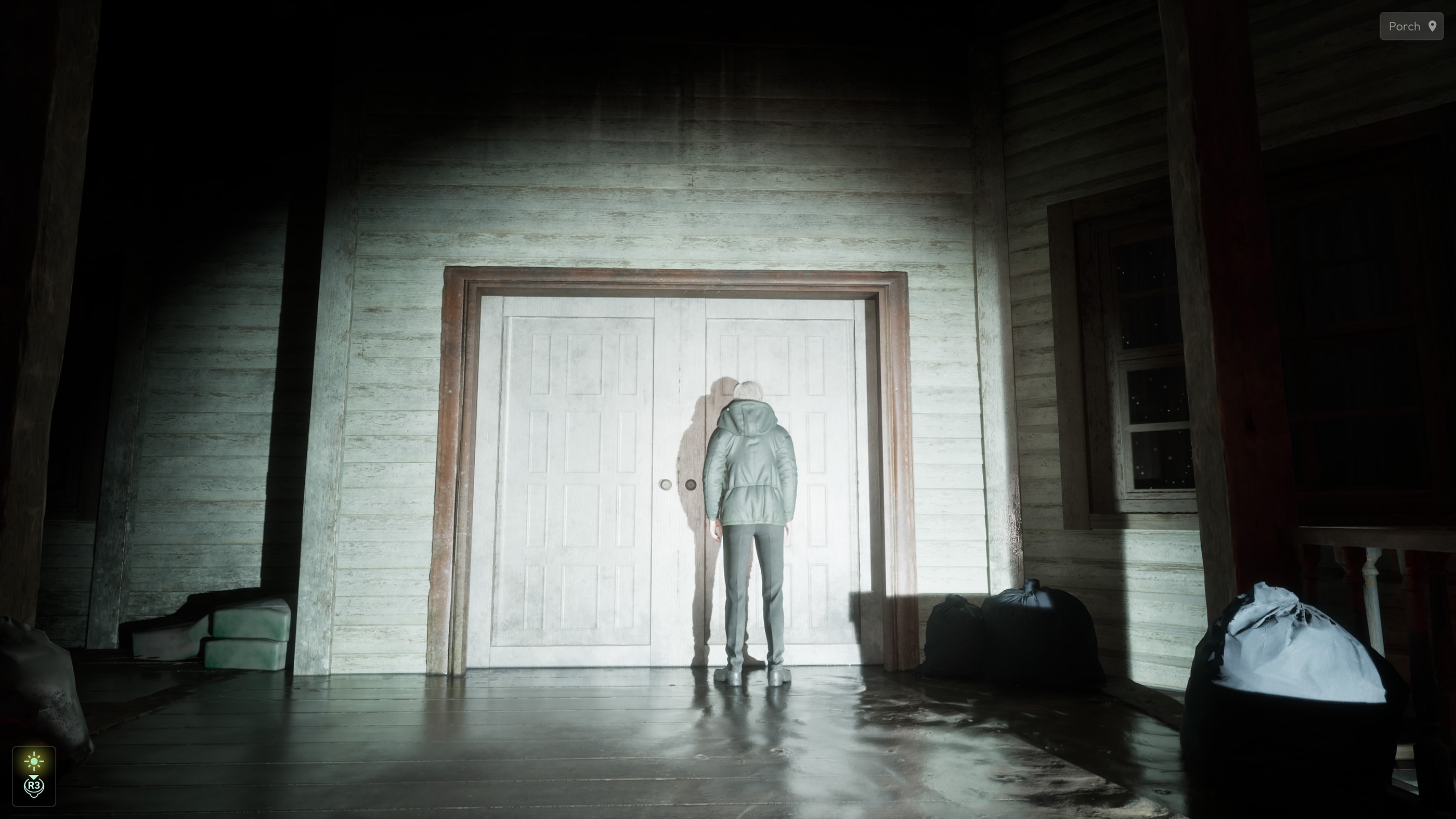
The Vault is more than a collection of documents. It is an interactive investigation space where clues can be connected to develop deductions.
When you become stuck, open the Vault and look at the evidence you have already collected. Consider which clues describe the same event, location, person, or object. A useful connection should be supported by something you actually discovered, not just a guess.
Move clues around when the board becomes difficult to read. If a connection does not make sense, remove it and try a different relationship.
What should you do when a Vault deduction will not work?
First, check whether you have fully analyzed the relevant objects. Then review the evidence and look for a missing clue. Sometimes the problem is not your deduction but the fact that you have not discovered enough information to support it.
Watch Your Energy Before Analyzing Everything
Clue analysis consumes energy. If you continue analyzing after your available energy runs out, you risk increasing Noah's corruption.
Before starting another analysis, check whether you have enough energy available. Search the environment for organic resources that replenish it, especially when you expect to investigate several objects in succession.
The goal is not to avoid analysis. It is to avoid spending energy carelessly when a little more exploration could let you investigate without unnecessary consequences.
Understand That Corruption Is More Than a Warning
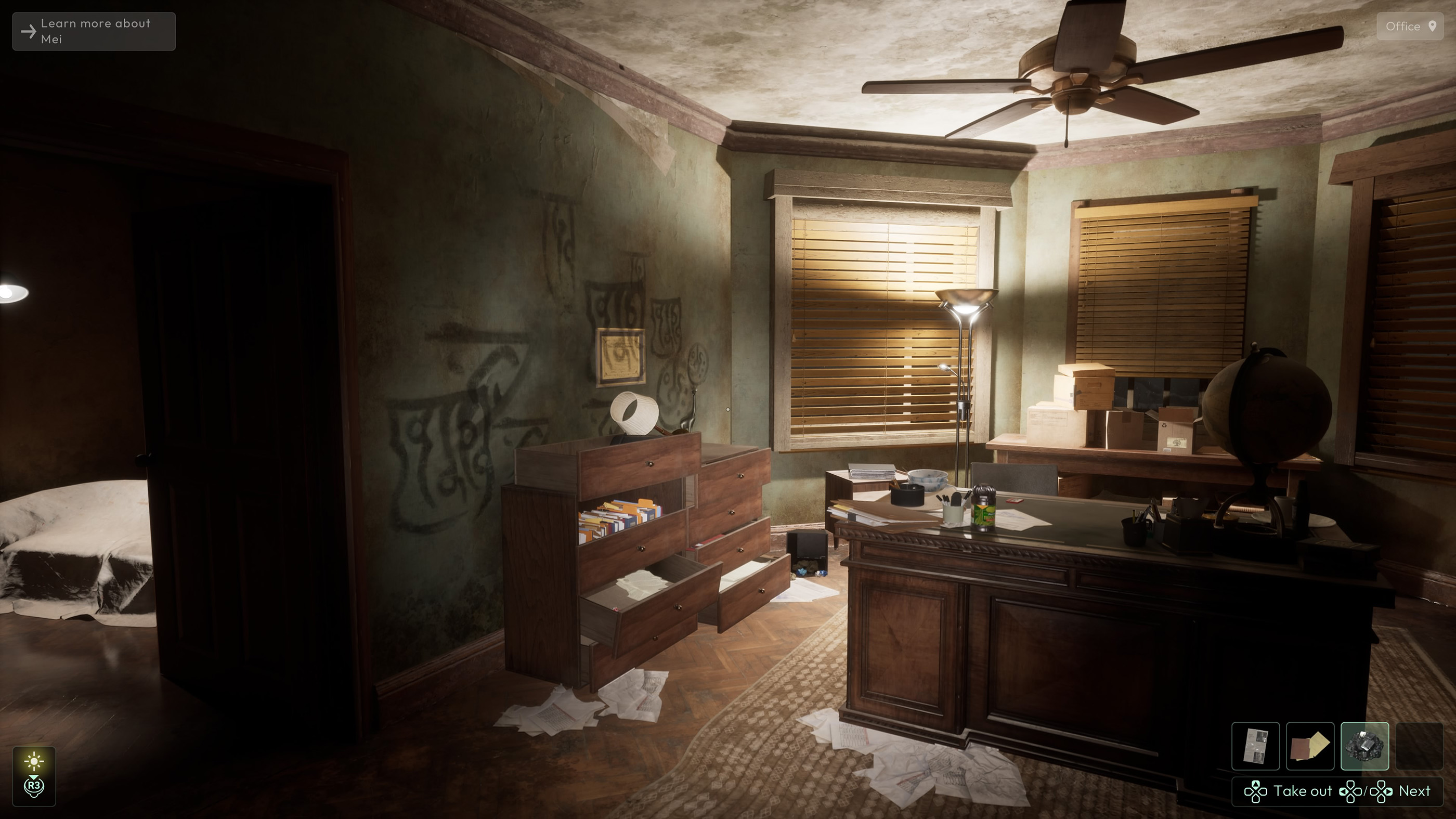
Corruption is connected to the game's psychological horror and the decisions you make during your investigation. It is not simply a resource you can ignore while rushing through puzzles.
Pay attention to situations that offer an easier but potentially corrupting solution. The immediate result might help you progress, but your choices can influence how the story unfolds.
If you want to explore different outcomes, remember which major decisions you made and consider how a different approach might change the investigation on another playthrough.
Search for Upgrades While Exploring
Strange artifacts and other discoveries can improve your investigative abilities. These upgrades are particularly valuable because they affect tools you rely on throughout the game.
Do not rush through an area as soon as you find the main objective. Explore nearby rooms, investigate unusual objects, and revisit suspicious locations when you unlock a useful sonar frequency.
Some upgrades can also be affected by corruption and your decisions, so pay attention to the consequences of your actions rather than assuming every improvement is permanent.
Use the Flashlight and Sonar for Different Problems
Your flashlight helps you inspect dark surroundings, while sonar reveals information that ordinary sight cannot. They complement each other rather than serving the same purpose.
If you are trying to inspect a physical object or understand the layout of a room, start with the flashlight. If you are searching for hidden passages, traces, or materials associated with a known frequency, switch to sonar.
Alternating between the two can reveal details that are easy to overlook when relying on only one tool.
Revisit Locations When You Learn Something New
A room that seems unimportant during your first visit may become useful after you discover a new frequency or piece of evidence.
If a puzzle sends you searching for a particular material or object, think about places where you previously noticed something unusual. You may already know where to look, even if you could not identify the clue at the time.
This approach is often more productive than wandering into completely unrelated areas.
Pay Attention to KEY's Analysis
KEY is not just there to provide commentary. The AI assistant helps interpret evidence, identify materials, and turn discoveries into information that can be used by your investigative tools.
When an analysis reveals a new detail, consider what it changes. Did you unlock a frequency? Did you learn something about an object? Does the information suggest a connection to another clue in the Vault?
Making a habit of asking these questions will help you recognize the next step without relying on random experimentation.
Do Not Rush Important Story Decisions
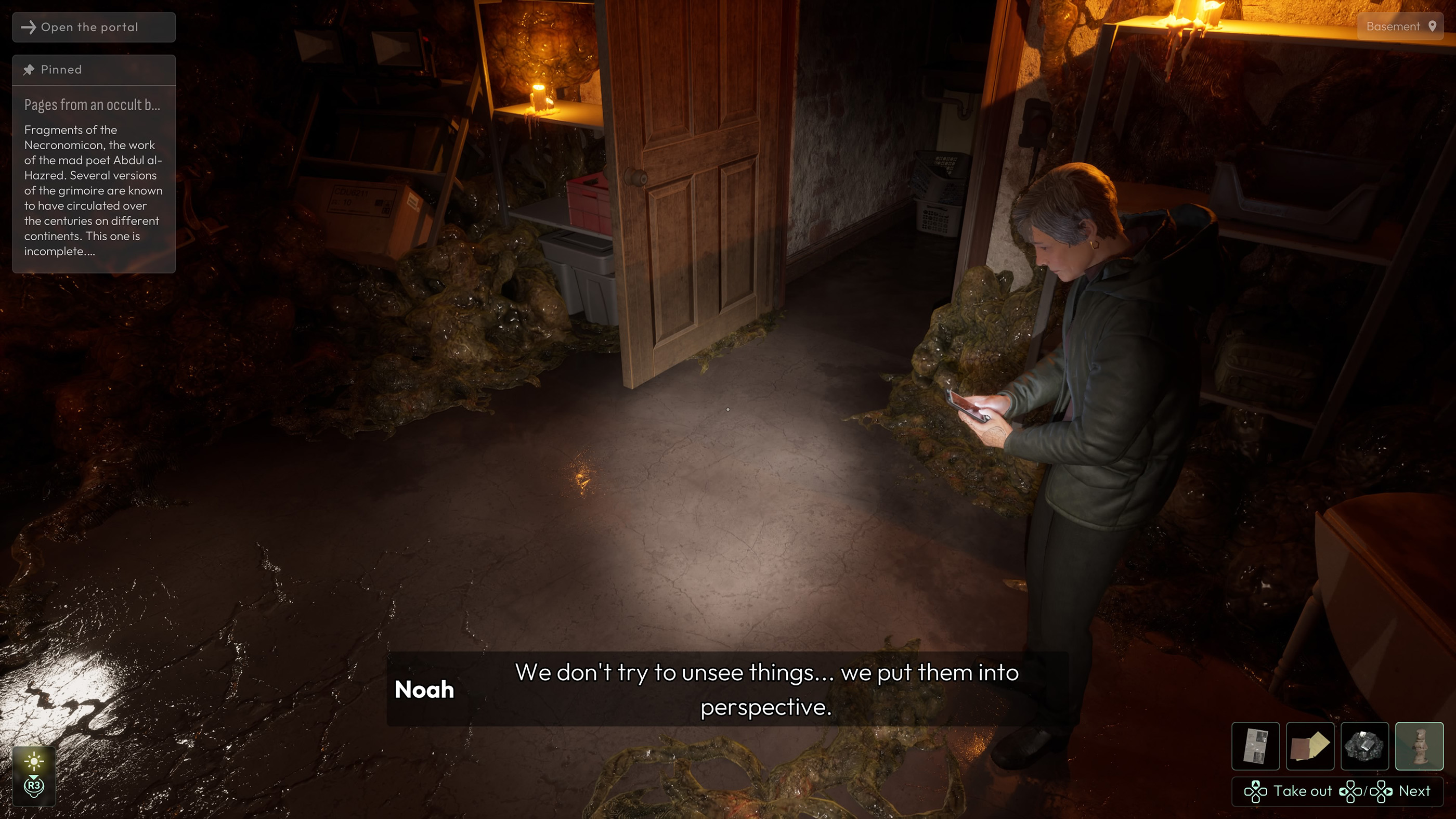
Cthulhu: The Cosmic Abyss includes choices that can affect the direction of the investigation and its outcome.
Before committing to an important decision, review the available evidence. A choice that seems obvious with limited information may look different once you understand the surrounding circumstances.
If you care about discovering different endings, consider keeping track of your decisions and using the game's available save or replay options where appropriate.
What to Do When You Get Stuck
Most investigation problems can be approached through three questions: Have I examined everything important? Am I using the correct sonar frequency? Have I connected the relevant clues in the Vault?
Start with the room itself. Check overlooked objects, surfaces, and nearby passages. Next, review your sonar configuration to see whether a recently discovered frequency might reveal something new.
Finally, return to the Vault and reconsider your deductions. A missing connection or an incomplete analysis is often the reason progress has stopped.
Cthulhu: The Cosmic Abyss Tips FAQ
Is Cthulhu: The Cosmic Abyss a combat game?
No. Its main focus is investigation, exploration, puzzles, and psychological horror rather than conventional combat. Understanding clues and using your tools effectively are the skills that matter most.
How do you find hidden clues?
Examine nearby objects to discover useful frequencies, then configure your sonar to search for matching traces. Remember to inspect the environment normally as well, since not every important detail requires sonar.
How do you reduce the risk of corruption?
Manage your analysis energy carefully, collect resources that replenish it, and pay attention to the consequences of important choices. Continuing energy intensive analysis without sufficient energy can increase corruption.
What is the Vault used for?
The Vault stores discovered information and lets you organize and connect clues. It is essential for making deductions and solving investigation puzzles.
Should you analyze every object?
Thorough investigation is valuable, but energy management matters. Prioritize relevant evidence, replenish energy when possible, and return to other objects when you can analyze them safely.
Can your decisions change the story?
Yes. Player choices and corruption can influence the investigation and its outcomes, giving you reasons to explore different approaches on another playthrough.
Comments
No comments yet. Be the first to share your thoughts!