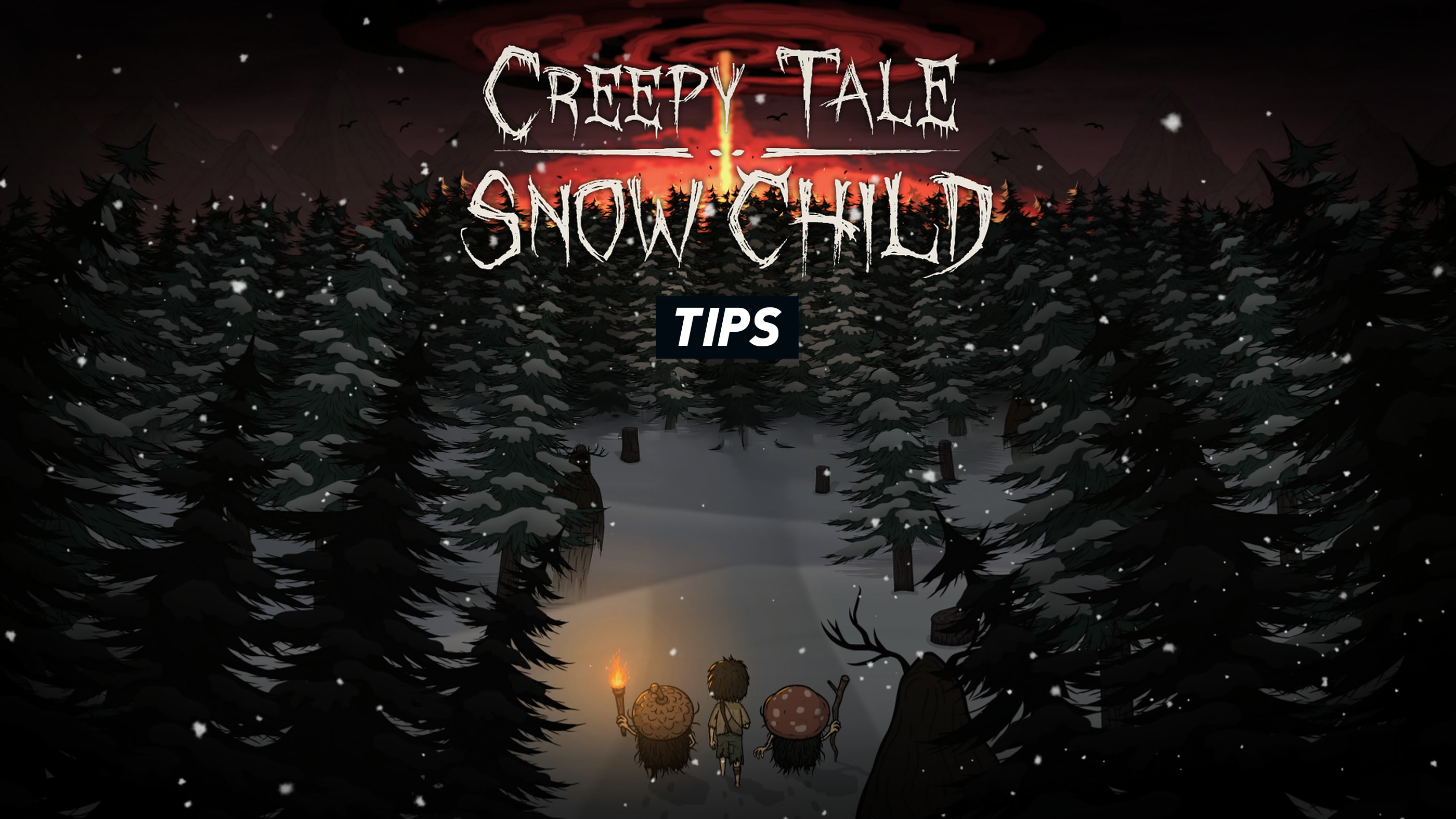
There is something unsettling about the forest in Creepy Tale: Snow Child. Snow covers the ground, strange shapes emerge between the trees and the quiet surroundings make every unexpected movement feel suspicious.
The game challenges you to pay attention to your surroundings, experiment with objects and solve puzzles without relying on constant instructions.
If you are struggling to understand what to do next, the solution is often closer than you think. These Creepy Tale: Snow Child tips and tricks will help you approach puzzles more confidently, avoid common mistakes and explore the mysterious winter setting.
Examine Every New Area Before Doing Anything
When you enter an unfamiliar location, resist the temptation to immediately interact with the first object you notice.
Look at the entire scene first. Pay attention to unusual objects, doors, mechanisms and anything that appears different from the surrounding environment.
Puzzle solutions often depend on understanding how several elements fit together.
Taking a moment to observe can save you from spending several minutes experimenting without a clear plan.
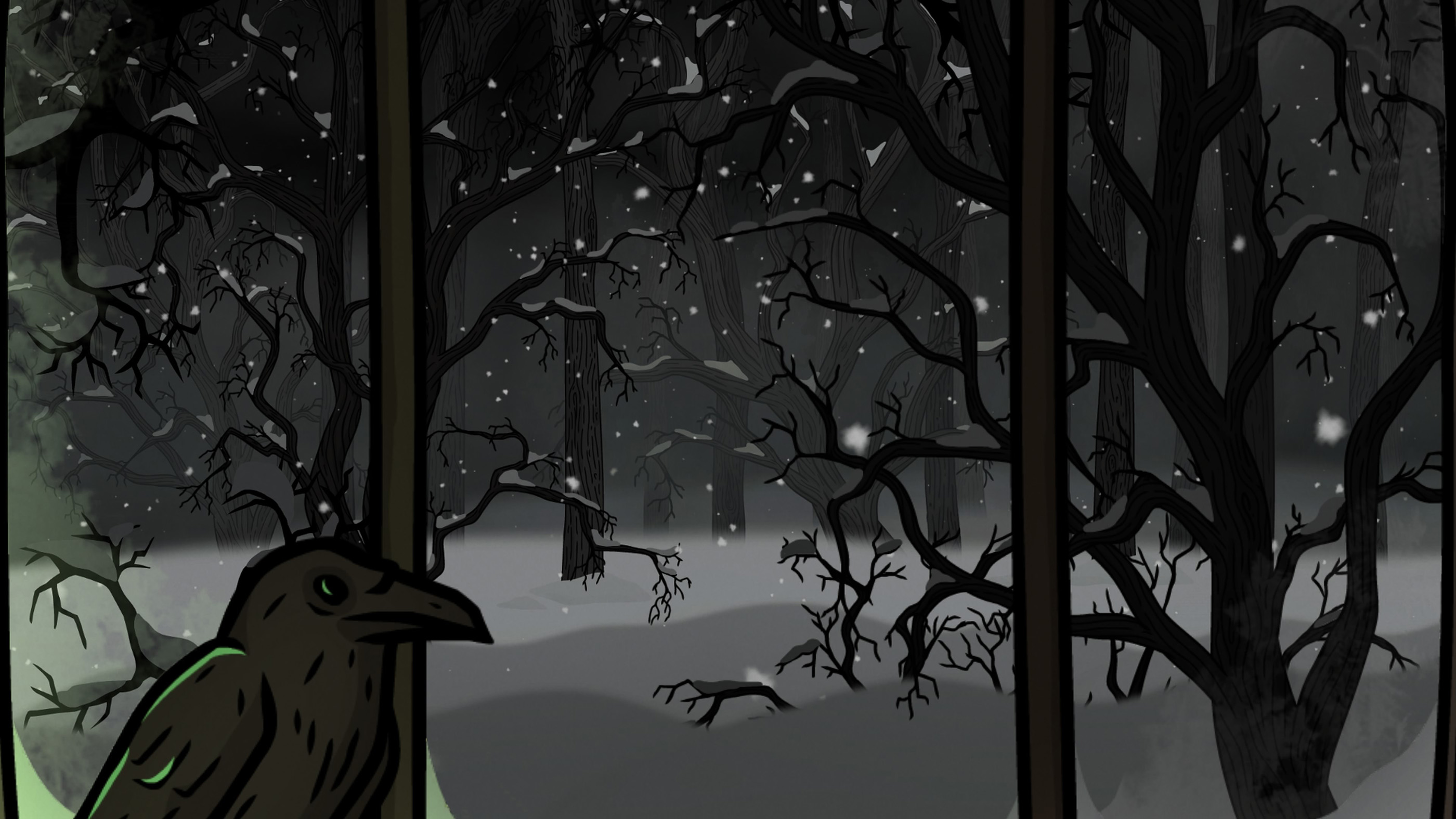
Remember Where You Find Unusual Objects
An object that appears unimportant when you first discover it may become essential later.
If you encounter something that can be interacted with but does not seem useful yet, remember where it is located.
Try to connect unusual objects with nearby mechanisms or obstacles.
When you become stuck, revisiting something you previously ignored is often a productive next step.
Understand the Three Main Interaction Commands
One of the easiest mistakes is confusing Action, Skill and Use Item.
These are separate commands in Creepy Tale: Snow Child.
On PlayStation, Square performs Action, Cross activates Skill and Triangle uses an item.
If an object does not respond to your normal interaction, consider whether you need to use an item or activate a skill instead.
Knowing which command to try can prevent unnecessary frustration.
Check Your Inventory Whenever You Get Stuck
Before assuming a puzzle is impossible, open your inventory and review what you have collected.
An item that seemed ordinary when you picked it up may have an obvious purpose once you encounter the correct obstacle.
On PlayStation, press L2 to access your inventory.
Think about the shape, appearance and likely function of each object.
The most useful question is often not what you can do with an item, but where it might belong.
Pay Attention to the Environment
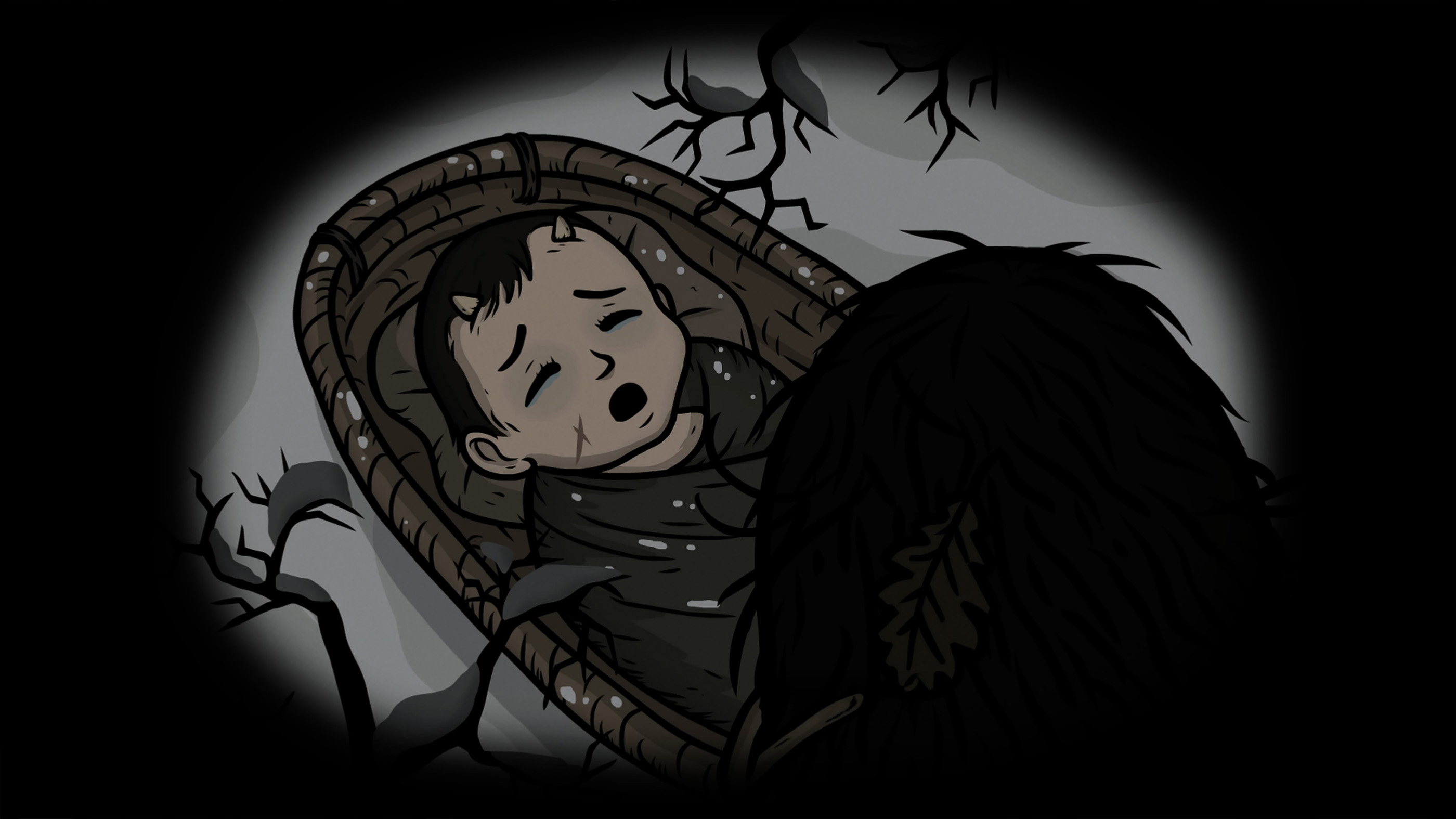
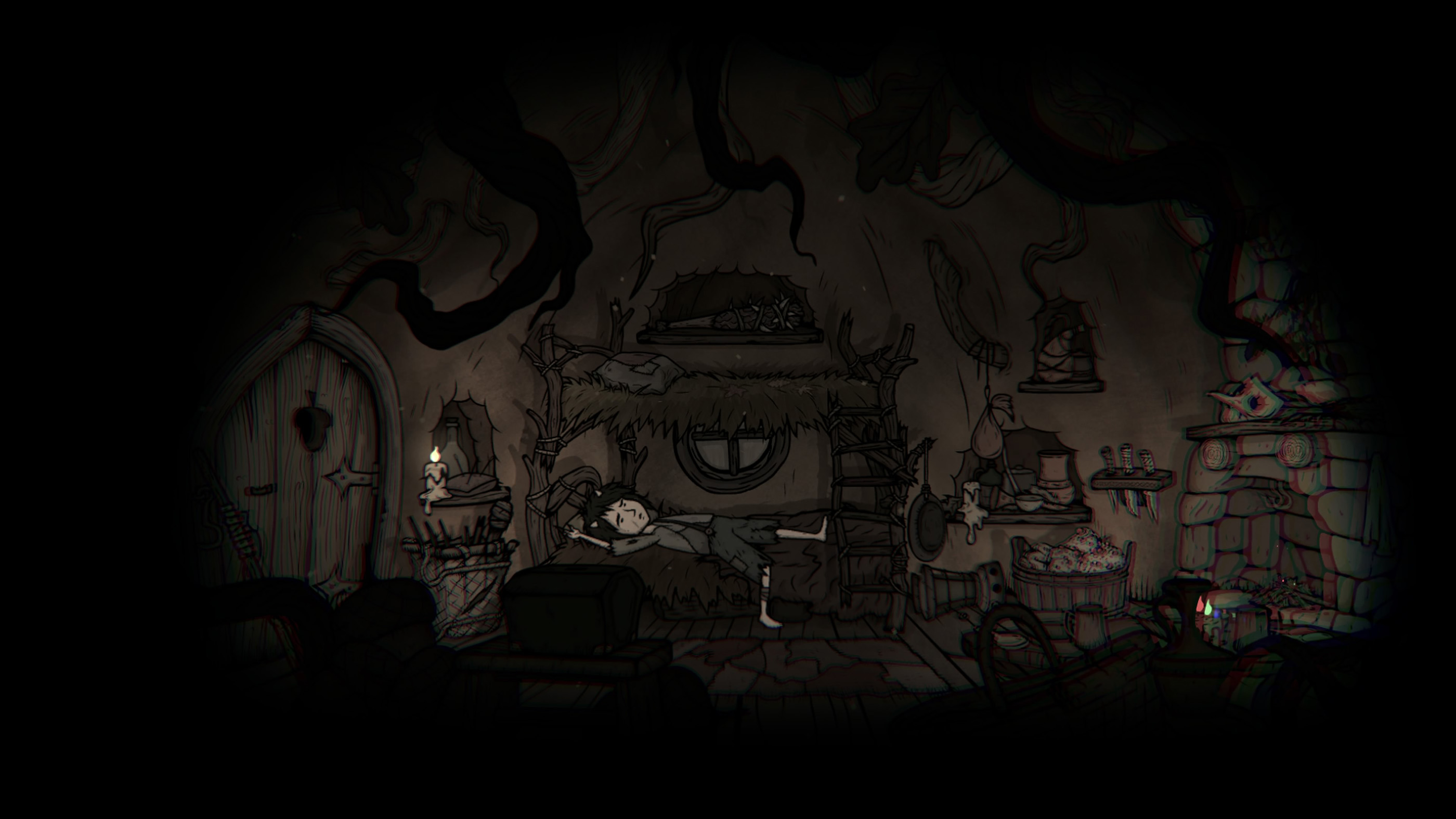
Creepy Tale: Snow Child uses a dark illustrated world where important details can blend into the scenery.
Look closely at objects that stand out through their shape, placement or appearance.
A mechanism, unusual decoration or suspicious opening may be part of a puzzle.
Do not assume that every clue will be highlighted or explained.
The environment itself can provide the information you need.
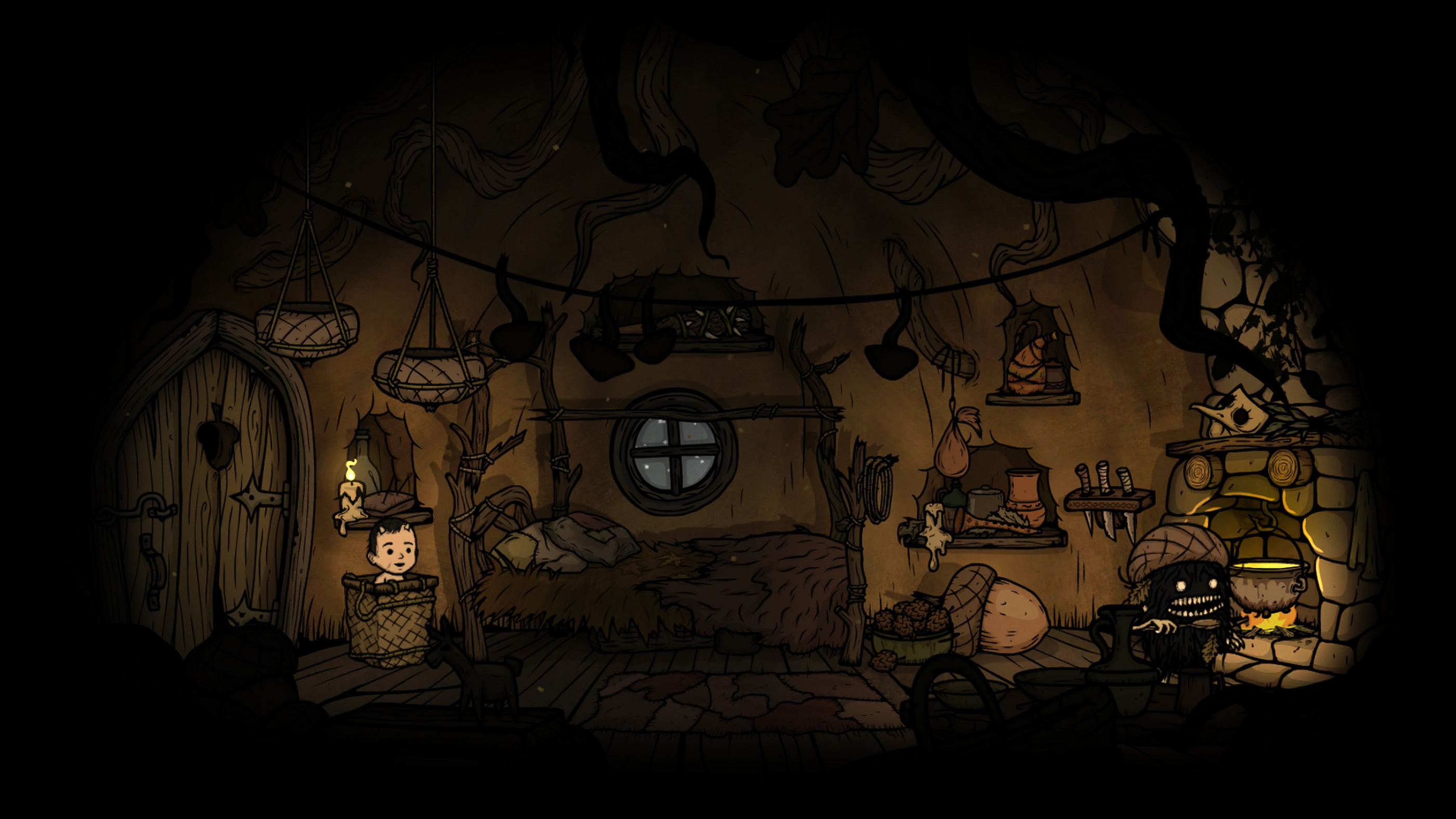
Think About Cause and Effect
Many environmental puzzles become easier when you stop guessing and start considering what each action changes.
If you activate a mechanism, watch what happens.
Does something move? Does a new path become accessible? Does another object react?
Understanding the result of an interaction can help you determine the next step.
If nothing changes, you may be missing an item, another interaction or the correct sequence.
Do Not Use Every Item Randomly
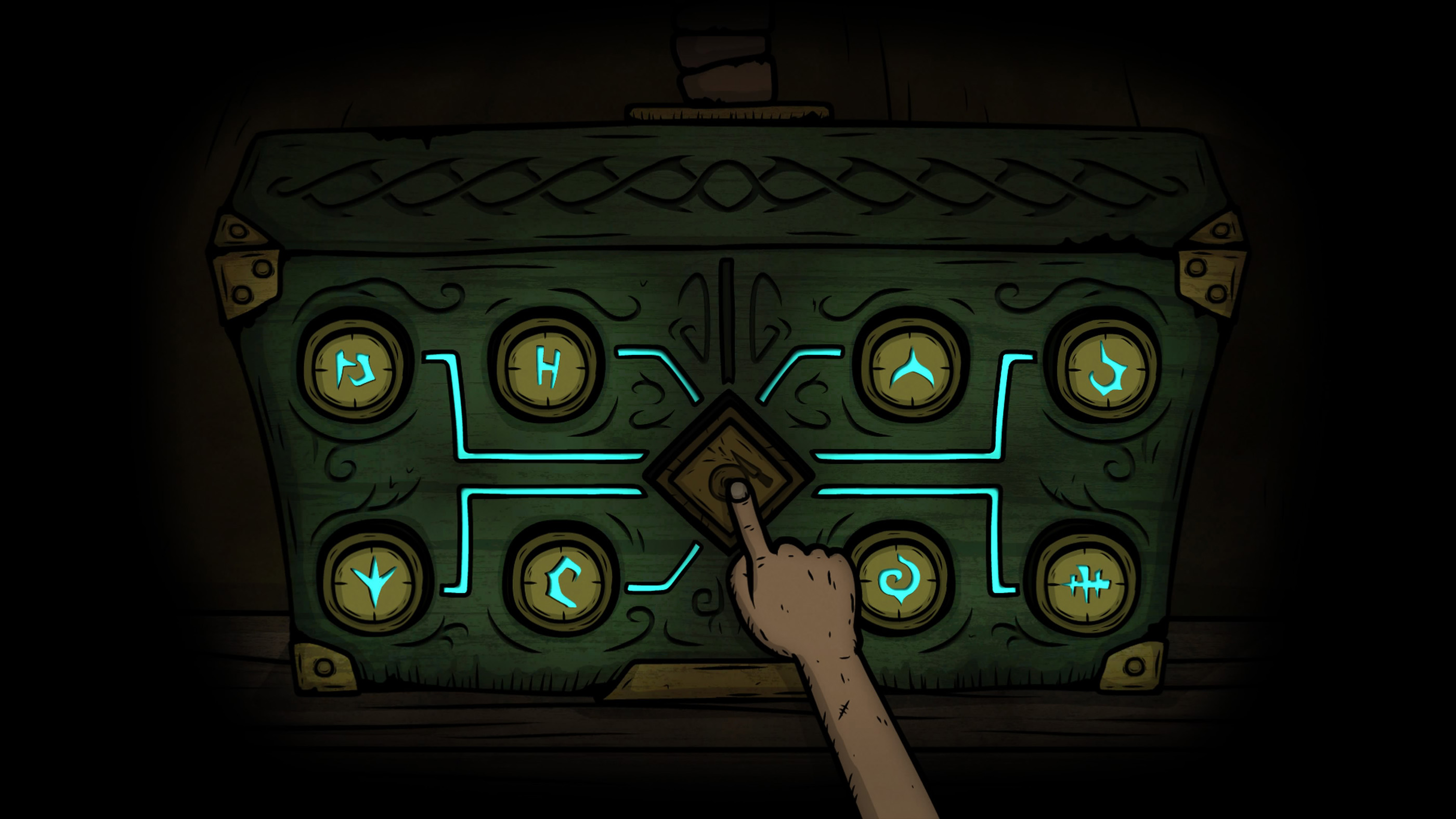
When a puzzle becomes frustrating, it is tempting to try every inventory item on every object.
That approach can occasionally work, but it often makes the puzzle feel more confusing.
Instead, think about what is preventing your progress.
If a mechanism appears incomplete, look for an object that could fit it. If a path is blocked, consider what might remove the obstacle.
A little reasoning usually produces better results than repeated guessing.
Move Closer Before Interacting
Sometimes you have identified the correct object but cannot activate it.
Before looking for another solution, check your character's position.
Move closer to the object and try the Action button again.
Precise positioning can matter when several interactive elements are located close together.
A small movement may be all you need.
Watch for Changes After Solving Part of a Puzzle
Solving one part of a puzzle may affect another part of the scene.
After completing an interaction, pause briefly and inspect the environment again.
Look for opened passages, changed mechanisms or newly accessible objects.
If you immediately move away, you may overlook the result of your action.
Following each change carefully makes longer puzzles easier to understand.
Be Careful Around Suspicious Characters and Creatures
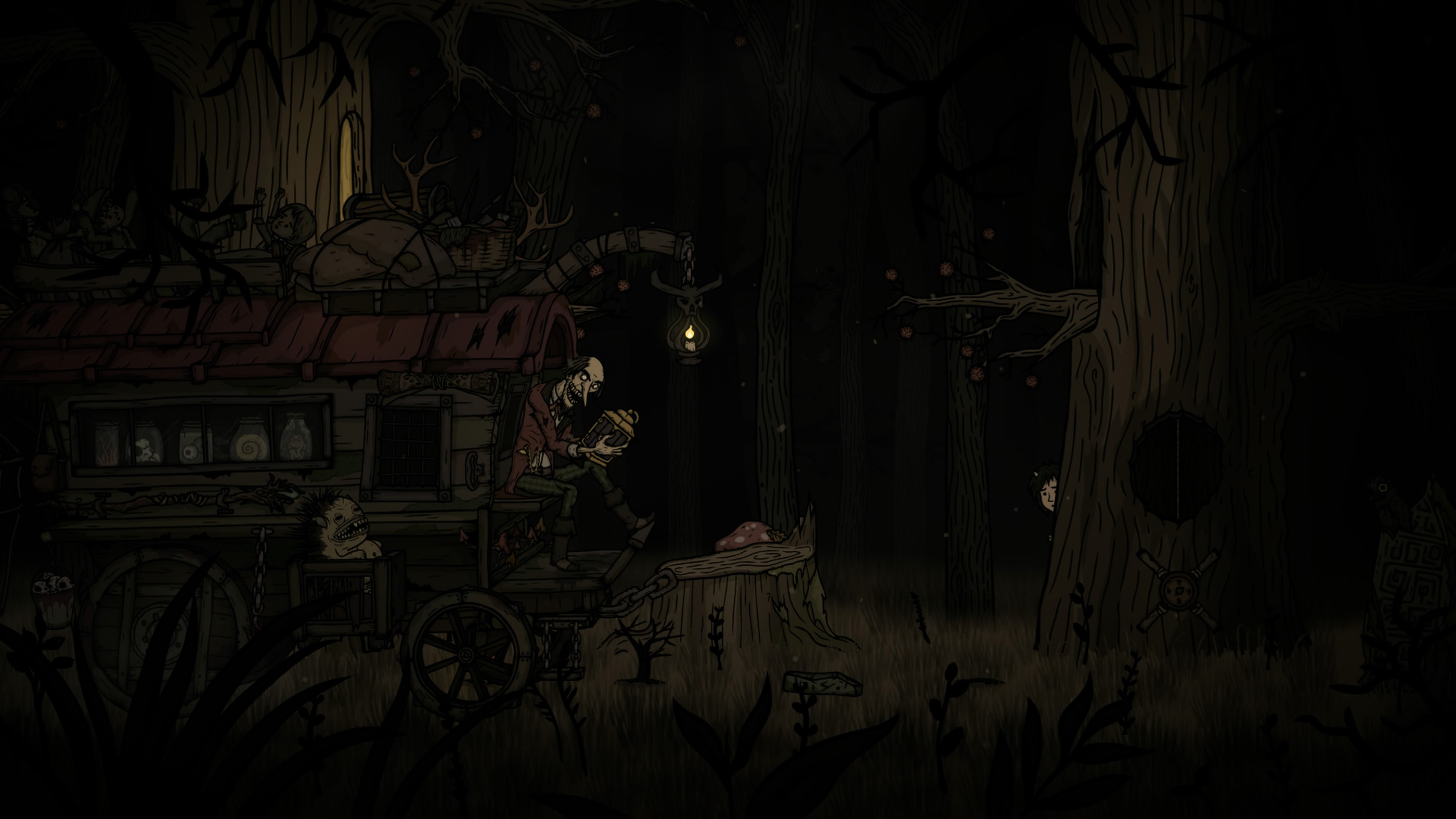
The snowy forest has an unsettling atmosphere, and not everything you encounter should be approached without caution.
When something unfamiliar appears, observe its behavior before moving closer.
Look for patterns in movement and consider whether the surrounding environment offers a safer route.
Rushing forward without understanding the situation may force you to repeat a section.
Patience is especially valuable when the game introduces an unexpected threat.
Use Skills When Normal Interactions Are Not Enough
The game includes a dedicated Skill button, which means not every challenge is solved through ordinary object interactions.
If you reach a situation where Action and Use Item do not appear to help, consider whether your available skill is relevant.
Pay attention to any instructions or demonstrations when a skill becomes available.
Understanding when to use an ability is just as important as remembering its button.
Explore Methodically Instead of Rushing
The illustrated environments reward careful observation.
Rather than moving quickly from one side of an area to the other, examine each accessible section.
Try to identify which objects are interactive and which appear to be background details.
If the game allows you to revisit an earlier location, consider whether something has changed since your last visit.
A methodical approach makes it less likely that you will overlook a useful clue.
Take a Break When a Puzzle Stops Making Sense
Some puzzles become harder simply because you have spent too long repeating the same idea.
If nothing seems to work, stop interacting for a moment and reconsider the situation.
Ask yourself what the puzzle is actually preventing you from doing.
Then look for an object or mechanism that could remove that obstacle.
Returning with a fresh perspective can reveal a connection that was easy to miss.
Enjoy the Atmosphere Without Missing Important Details
Creepy Tale: Snow Child uses its winter setting to create a sense of mystery and unease.
The snowy forest, unusual characters and dark visual style are part of the experience.
Take time to appreciate the surroundings, but remember that the artwork can also contain clues.
An object that looks like a small decorative detail may deserve a closer look.
Exploration and puzzle solving work best when you treat the environment as something worth studying.
Creepy Tale: Snow Child Tips and Tricks FAQ
What should I do first in a new area?
Examine the environment, identify interactive objects and look for obstacles or mechanisms before trying random actions.
What should I do if I get stuck?
Check your inventory, revisit unusual objects and consider whether the puzzle requires Action, Use Item or Skill.
How do I use collected items?
Open your inventory and use the appropriate item command. On PlayStation, Triangle is assigned to Use Item.
Why is the Action button not working?
You may be standing too far from the object, using the wrong command or attempting an interaction before completing another puzzle step.
How do I activate a skill?
Press Cross on PlayStation. The equivalent Xbox button is A.
Are there environmental puzzles?
Yes. Exploration and interacting with objects are central to progressing through the game.
Should I investigate every object?
Focus on objects that look unusual or appear connected to a mechanism. Remember their locations in case they become useful later.
What is the best tip for beginners?
Slow down and observe. Most puzzle solving begins with understanding the environment and choosing the correct interaction rather than pressing buttons repeatedly.
Comments
No comments yet. Be the first to share your thoughts!