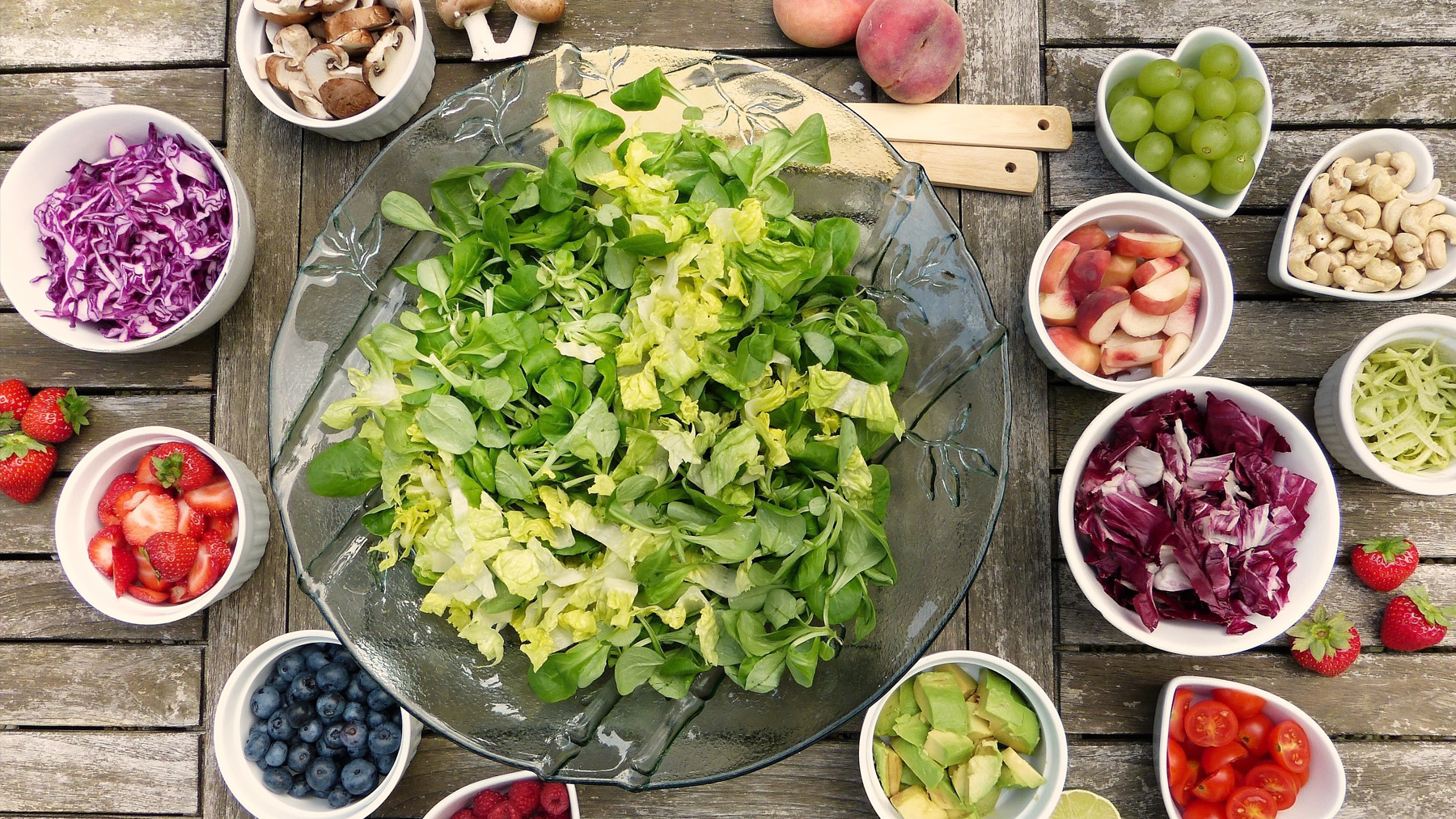
Achieving and maintaining a healthy weight is not about relying on "magic" fat-burning foods. While no single food can directly melt body fat, certain nutrient-rich foods can support fat loss by increasing satiety, preserving muscle mass, improving metabolism, stabilizing blood sugar, and reducing overall calorie intake. When combined with regular physical activity, adequate sleep, and a calorie-controlled diet, these foods can make losing weight more effective and sustainable.
Lean Protein
Protein is one of the most important nutrients for weight loss. It helps preserve lean muscle during calorie restriction, keeps you feeling full for longer, and slightly increases the number of calories your body burns through digestion (known as the thermic effect of food). Excellent sources include skinless chicken breast, turkey, eggs, fish, Greek yogurt, cottage cheese, tofu, tempeh, lentils, beans, and lean cuts of beef. Aim to include a quality protein source with every meal.
Leafy Green Vegetables
Leafy greens such as spinach, kale, Swiss chard, lettuce, collard greens, and arugula are low in calories but rich in fiber, vitamins, minerals, and antioxidants. Their high water and fiber content increases fullness without adding many calories, making them ideal for weight management. They also provide essential nutrients that support overall health while dieting.
High-Fiber Foods
Fiber slows digestion, stabilizes blood sugar levels, promotes healthy digestion, and helps control appetite. Foods rich in soluble fiber are particularly beneficial because they form a gel-like substance in the digestive tract that prolongs fullness. Good choices include oats, barley, chia seeds, flaxseeds, legumes, apples, pears, berries, broccoli, Brussels sprouts, and whole grains.
Fatty Fish
Fatty fish such as salmon, sardines, mackerel, trout, and tuna are excellent sources of high-quality protein and omega-3 fatty acids. Protein supports muscle maintenance, while omega-3 fats may help reduce inflammation and improve metabolic health. Including fish in your meals two or three times per week can support a healthy weight-loss plan while benefiting heart and brain health.
Eggs
Eggs are highly nutritious and packed with high-quality protein, healthy fats, vitamins, and minerals. Eating eggs for breakfast may increase feelings of fullness and reduce calorie intake throughout the day compared to refined carbohydrate breakfasts. Contrary to old myths, moderate egg consumption can fit well into a healthy diet for most people.
Greek Yogurt
Plain Greek yogurt is rich in protein and probiotics while being relatively low in calories, especially the low-fat varieties. Protein helps control hunger, while probiotics support gut health, which may indirectly contribute to healthy weight management. Choose unsweetened Greek yogurt and add fresh fruit, cinnamon, or nuts instead of sugary toppings.
Legumes and Beans
Beans, chickpeas, lentils, black beans, kidney beans, and peas provide an excellent combination of plant-based protein and fiber. This powerful combination keeps you satisfied for longer, supports stable blood sugar levels, and reduces unnecessary snacking. They are also affordable, versatile, and rich in essential nutrients like iron, magnesium, and potassium.
Whole Grains
Whole grains such as oats, quinoa, brown rice, whole wheat, bulgur, and barley contain more fiber and nutrients than refined grains. They digest more slowly, helping you stay full while providing steady energy. Replacing refined carbohydrates with whole grains may improve appetite control and support long-term weight management.
Berries
Strawberries, blueberries, raspberries, and blackberries are naturally sweet but relatively low in calories. They are rich in fiber, antioxidants, and vitamin C, making them an excellent dessert or snack choice. Their fiber content slows digestion and helps satisfy sweet cravings without excessive added sugars.
Avocados
Although avocados are higher in calories than many fruits, they contain heart-healthy monounsaturated fats and fiber that promote fullness. Eating moderate portions can reduce hunger and help prevent overeating later in the day. A quarter to half an avocado can be a satisfying addition to salads, sandwiches, or whole-grain toast.
Nuts and Seeds
Almonds, walnuts, pistachios, chia seeds, flaxseeds, sunflower seeds, and pumpkin seeds contain healthy fats, protein, and fiber. These nutrients work together to improve satiety and reduce cravings. Because nuts are calorie-dense, portion control is important. A small handful makes an ideal snack between meals.
Chili Peppers
Chili peppers contain capsaicin, a natural compound that may slightly increase calorie expenditure and temporarily reduce appetite in some individuals. While the effect is modest, incorporating spicy foods into meals may help support a balanced weight-loss plan if you enjoy them and tolerate spicy foods well.
Green Tea
Green tea contains antioxidants called catechins along with a moderate amount of caffeine. Some research suggests these compounds may provide a small increase in metabolism and fat oxidation, particularly when combined with regular exercise. Unsweetened green tea is a healthy alternative to sugar-sweetened beverages.
Water-Rich Foods
Foods with high water content can help you feel full while naturally reducing calorie intake. Cucumbers, tomatoes, celery, zucchini, watermelon, oranges, grapefruit, soups made with vegetables, and broth-based dishes all contribute to hydration and satiety. Starting meals with a salad or vegetable soup may help reduce overall calorie consumption.
Healthy Fats
Healthy fats are an important part of a balanced diet and should not be avoided completely during weight loss. Olive oil, nuts, seeds, avocados, and fatty fish provide essential fatty acids that support hormone production and overall health. Since fats are calorie-dense, use them in moderate portions while staying within your daily calorie goals.
Foods to Limit
For successful weight loss, it is equally important to reduce foods that contribute excess calories with little nutritional value. Limit sugar-sweetened beverages, candy, pastries, highly processed snacks, fast food, refined grains, excessive alcohol, and foods high in added sugars and trans fats. These foods are often easy to overeat and may make maintaining a calorie deficit more difficult.
Building a Fat-Loss Friendly Plate
A simple way to create balanced meals is to fill half your plate with non-starchy vegetables, one quarter with lean protein, and one quarter with whole grains or other high-fiber carbohydrates. Include a small serving of healthy fats and drink plenty of water throughout the day. This approach helps improve fullness while providing the nutrients your body needs.
Comments
No comments yet. Be the first to share your thoughts!