
Echo Weaver does something unusual with the Metroidvania formula. You are not waiting to buy a better weapon or find the next movement upgrade. Most of the answers are already within reach. The challenge is discovering what your abilities can do and how the world of Provenance fits together.
Every time loop gives you another chance to investigate, experiment and improve your route. If you are struggling with the timer, getting lost or wondering what to do with the glaive, these Echo Weaver beginner tips will help you make progress without spoiling the game's biggest discoveries.
Stop Treating Every Loop Like a Race
When the clock is running, your instinct might be to rush toward the next unexplored area. That works sometimes, but not every loop needs to end with a major discovery.
Use some loops to study the environment. Find out where a passage leads, observe a hazard or work out how to reach a particular room. Even if time runs out, the information you gained can make your next attempt much easier.
Remember That Knowledge Is Your Upgrade System
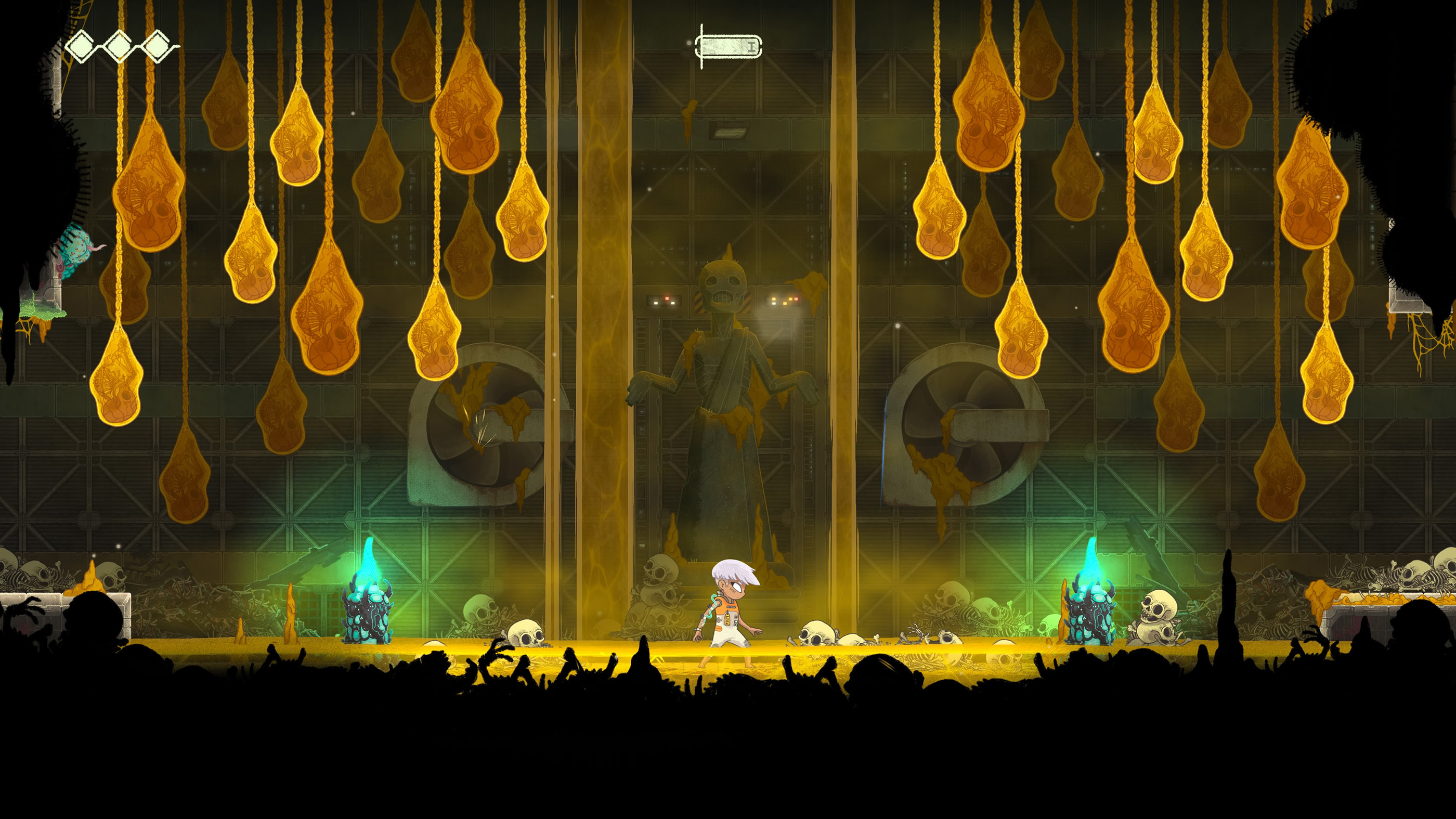
Echo Weaver is built around knowledge based progression. You do not need to collect a traditional series of permanent movement upgrades to explore the world.
If a route looks impossible, consider whether you have misunderstood a mechanic rather than assuming you need to find an item somewhere else.
Revisit suspicious locations after learning something new. A room that seemed unimportant earlier may make perfect sense once you understand another part of the game.
Collect Time Crystals With a Purpose
Time is a resource in Echo Weaver. You begin a loop with limited time, and collecting time crystals can extend how long you have before the next reset.
Time also has other uses, including healing. That creates an interesting decision: do you spend some of your available time to recover health, or save it for exploration?
When preparing for a difficult route, identify convenient crystal locations first. A reliable way to gather more time can be more useful than immediately attempting the hardest section.
Learn the Difference Between Throwing and Hurling the Glaive
The controls assign Square to Throw Glaive and Circle to Hurl Glaive. These are separate actions for a reason.
A normal throw sends the glaive out and brings it back, while hurling can leave it at a distant location until recalled. This distinction matters for puzzles, switches and techniques involving the glaive's position.
If a puzzle does not react as expected, try reconsidering which glaive action it needs. Sometimes the solution is not a new ability but a different use of the weapon you already have.
Experiment With the Glaive Beyond Combat
The glaive is central to exploration and puzzle solving, not simply a way to attack enemies.
Look for environmental objects that react to it, unusual gaps and places where positioning the glaive might be useful. As you discover more about its abilities, previously difficult routes may become manageable.
Practise in a safe area before attempting complicated sequences over hazards. Understanding how the glaive behaves is more valuable than repeatedly guessing during a timed challenge.
Use the Quick Map Regularly
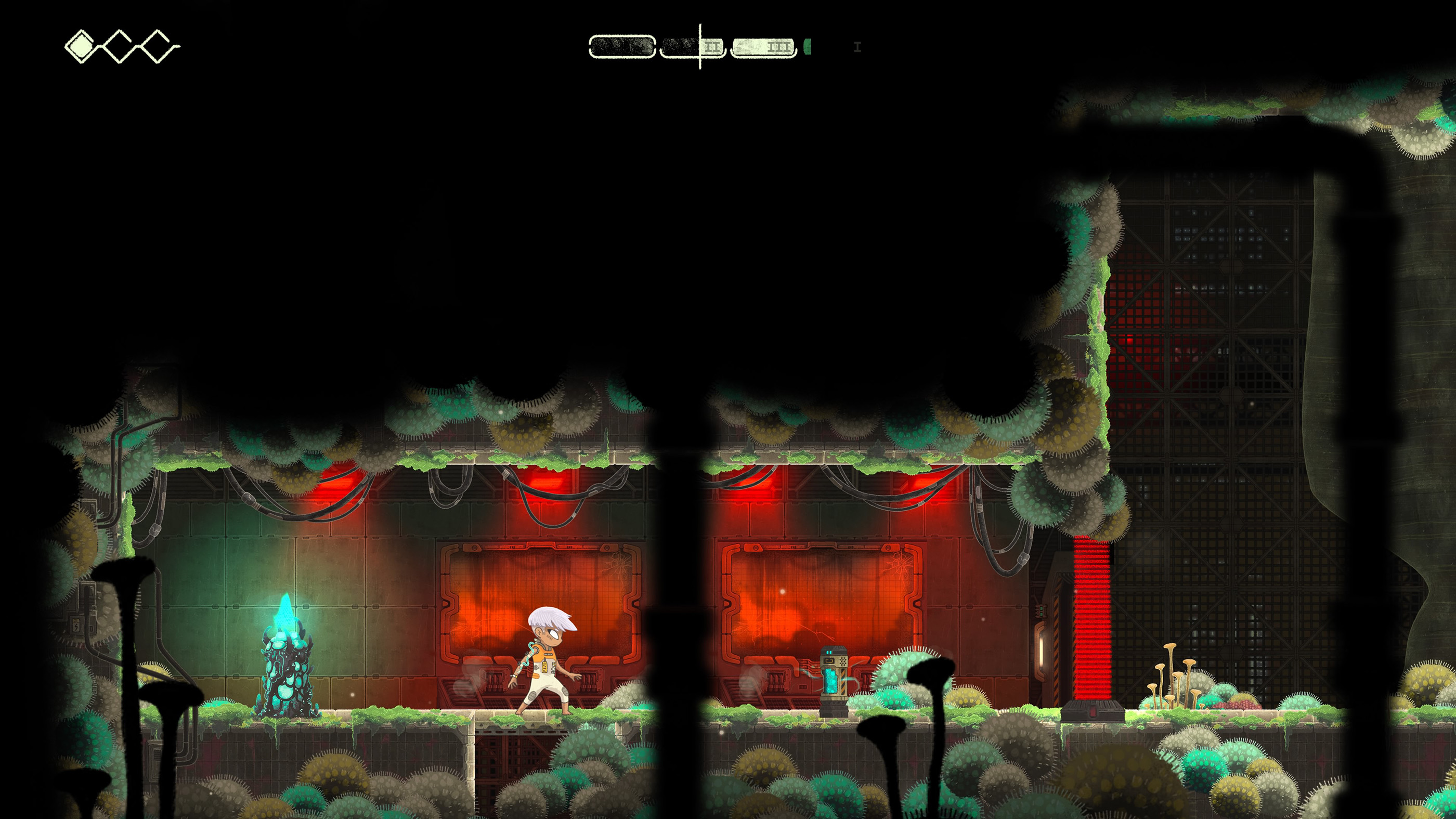
Press Triangle on PlayStation to open the Quick Map. Make a habit of checking it when you enter a new region or reach a branching path.
Map progress and discoveries help you make sense of the interconnected world. When a loop resets, your knowledge remains valuable, so use the map to decide what deserves another visit.
Try to remember which routes lead to useful time pickups, which contain hazards and which still have unanswered questions.
Build a Reliable Opening Route
Once you know the area around your starting point, stop improvising the same opening every time.
Work out a short sequence that gets you moving quickly and collects useful time along the way. Then follow that route until you reach the part of the world you actually want to investigate.
The better you know your opening, the more time you have available for discoveries farther from the start.
Use Peeking Before Entering Unfamiliar Areas
The Right Stick controls peeking in all four directions. It is a useful feature when you want to inspect your surroundings without immediately committing to movement.
Take advantage of it near unfamiliar drops, vertical passages and places where the next platform is difficult to see. A moment spent checking the layout can save an entire attempt.
Do Not Waste Time Repeating the Same Failed Jump
Echo Weaver includes demanding platforming sections, but repeatedly making the same jump without changing anything rarely helps.
Look at the starting position, timing and available movement options. Try approaching from a different angle or using a different sequence of actions.
Some traversal techniques are discoveries in themselves. If an obstacle seems just beyond your reach, that may be a reason to experiment with movement rather than keep forcing the same attempt.
Talk to Characters and Pay Attention to Their Clues
Provenance is populated by survivors with their own stories and knowledge of the world. Conversations are part of understanding what happened to the colony and how its mysteries connect.
Do not skip dialogue simply because you are watching the clock. A useful clue can save far more time than it takes to hear it.
If a character mentions a place, event or unusual detail, keep it in mind during later exploration. Information that seems like background storytelling may become important elsewhere.
Choose One Question to Answer Per Loop
When you have several unexplored paths, it is easy to spend an entire cycle wandering between them.
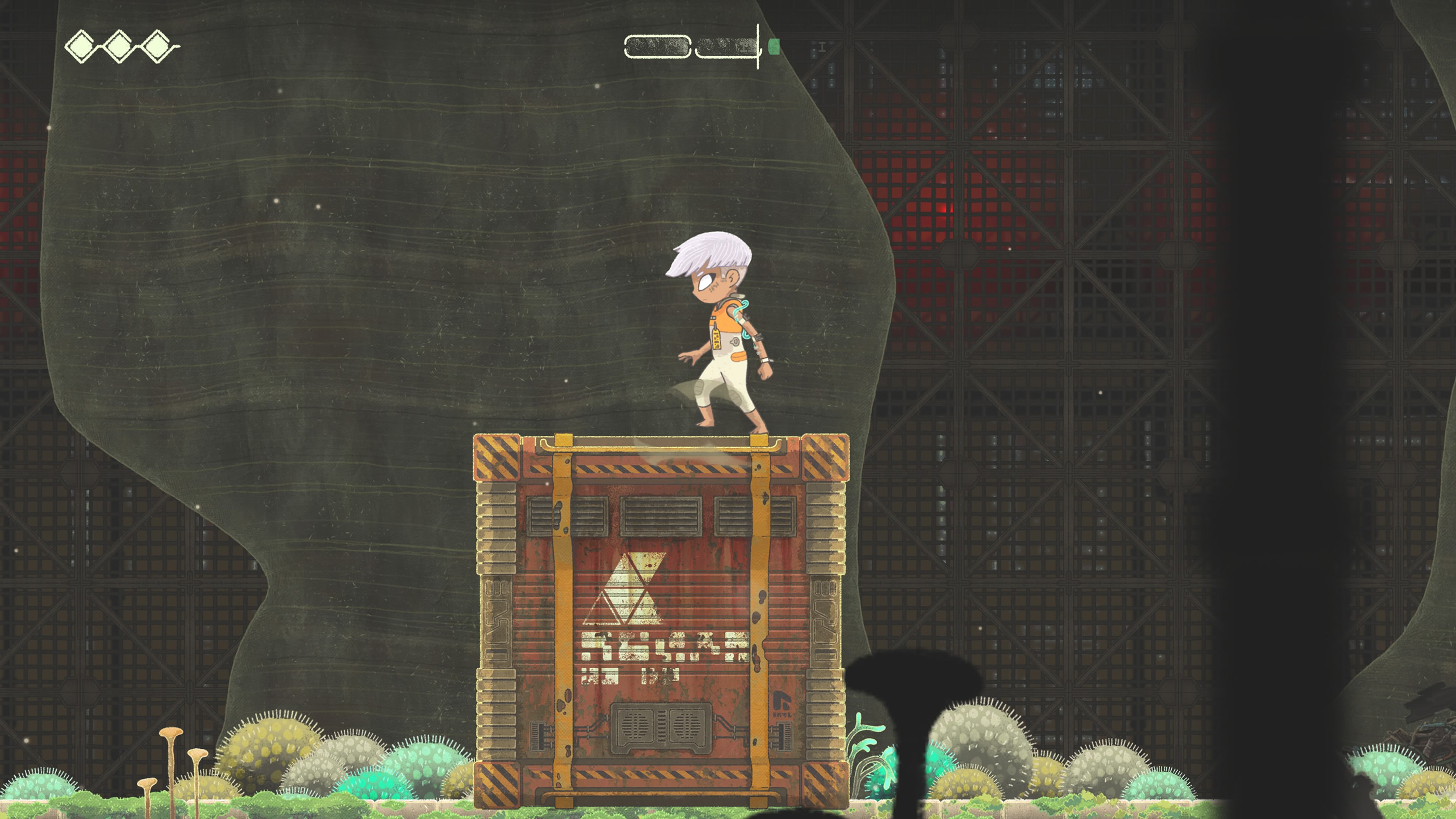
Instead, give yourself a specific goal. You might investigate a locked passage, test a glaive interaction, reach a particular room or collect enough time to attempt a longer route.
Even if the attempt fails, you should finish with a clearer understanding of what to try next.
Do Not Be Afraid of the Reset
Echo Weaver's world is designed around repeating cycles. A reset is not the same as losing all your progress in a conventional adventure game.
Physical changes within a loop may disappear, but the knowledge you gain is what allows you to move forward. Once you understand a puzzle or shortcut, you can approach it much more efficiently next time.
The goal is not to make every loop perfect. It is to become better at navigating the same world.
Echo Weaver Beginner FAQ
How do you get more time in Echo Weaver?
Collect time crystals while exploring. These can extend your current loop, although time is also used for actions such as healing.
Do you lose everything when the time loop resets?
The world resets, but your discoveries and knowledge remain central to progression. Map information also helps you navigate more efficiently in later loops.
Is Echo Weaver a traditional Metroidvania?
Not quite. It uses interconnected exploration and platforming, but progression is primarily based on learning abilities and uncovering secrets rather than collecting conventional upgrades.
What should you do if you get stuck?
Explore another route, revisit earlier clues and experiment with the abilities you already have. A difficult obstacle does not necessarily mean you are missing an upgrade.
Is combat the main focus of Echo Weaver?
No. Although the glaive can be used against enemies, exploration, movement, environmental puzzles and understanding the time loop are central to the experience.


Comments
No comments yet. Be the first to share your thoughts!