
Winning consistently in eBaseball: PRO SPIRIT has much more to do with reading baseball than reacting quickly. The batting cursor matters, but plate discipline matters just as much. Perfect pitching timing helps, but predictable pitch selection will still get punished by a strong opponent.
The best way to improve is to build a repeatable approach for every part of an inning. Know what you want from the at bat, understand what the pitcher is showing you and avoid giving away outs through unnecessary swings or aggressive baserunning.
Stop Swinging at the First Pitch Automatically
New players often struggle because they decide to swing before seeing where the ball is going.
Make the Pitcher Prove It
Taking an early pitch can reveal velocity, movement and where your opponent prefers to attack the zone.
A Strike Is Not Always a Good Pitch to Hit
You do not need to swing merely because the ball clips the strike zone. A difficult pitch on the edge may be better taken when the count allows it.
Watch the Pitcher's Release
Do not stare at the batting cursor while waiting for the pitch.
Your first visual reference should be the pitcher's release. The earlier you recognize the ball's path, the more time you have to position the cursor.
Move the Cursor after Reading the Ball
Guessing a corner before release can work occasionally, but good hitters react to the pitch rather than constantly gambling.
Use Normal Swing as Your Foundation
The normal Cross swing provides the best balance between cursor size, contact and power.
Earn the Right to Use Power Swing
Switch to power when you are comfortable reading the pitcher or when the count makes a predictable strike more likely.
If you cannot consistently place the normal batting cursor on the ball, making that cursor smaller will rarely improve the result.
Match Your Swing to Pitch Location
Inside and outside pitches naturally favor different contact directions.
Turn on Inside Pitches
When the ball comes inside, earlier contact generally gives you a better opportunity to pull it.
Let Outside Pitches Travel
A later approach can help send outside pitches toward the opposite field instead of forcing weak contact.
Protect the Plate with Two Strikes
Your job changes when the count reaches two strikes.
Stop hunting only for the perfect pitch and become more willing to protect the edges of the zone.
Shorten Your Decision Window
You cannot afford to watch a close strike simply because it was not the pitch you hoped to receive.
Use Training to Learn Pitch Speeds
Batting difficulty often comes from recognizing velocity rather than moving the cursor.
Practice Fastballs First
Learn how quickly the hardest straight pitches reach the plate. Once that timing becomes familiar, breaking balls become easier to recognize because they arrive differently.
Practice One Weakness at a Time
If high fastballs beat you repeatedly, work specifically on that location rather than playing full games and hoping the problem disappears.
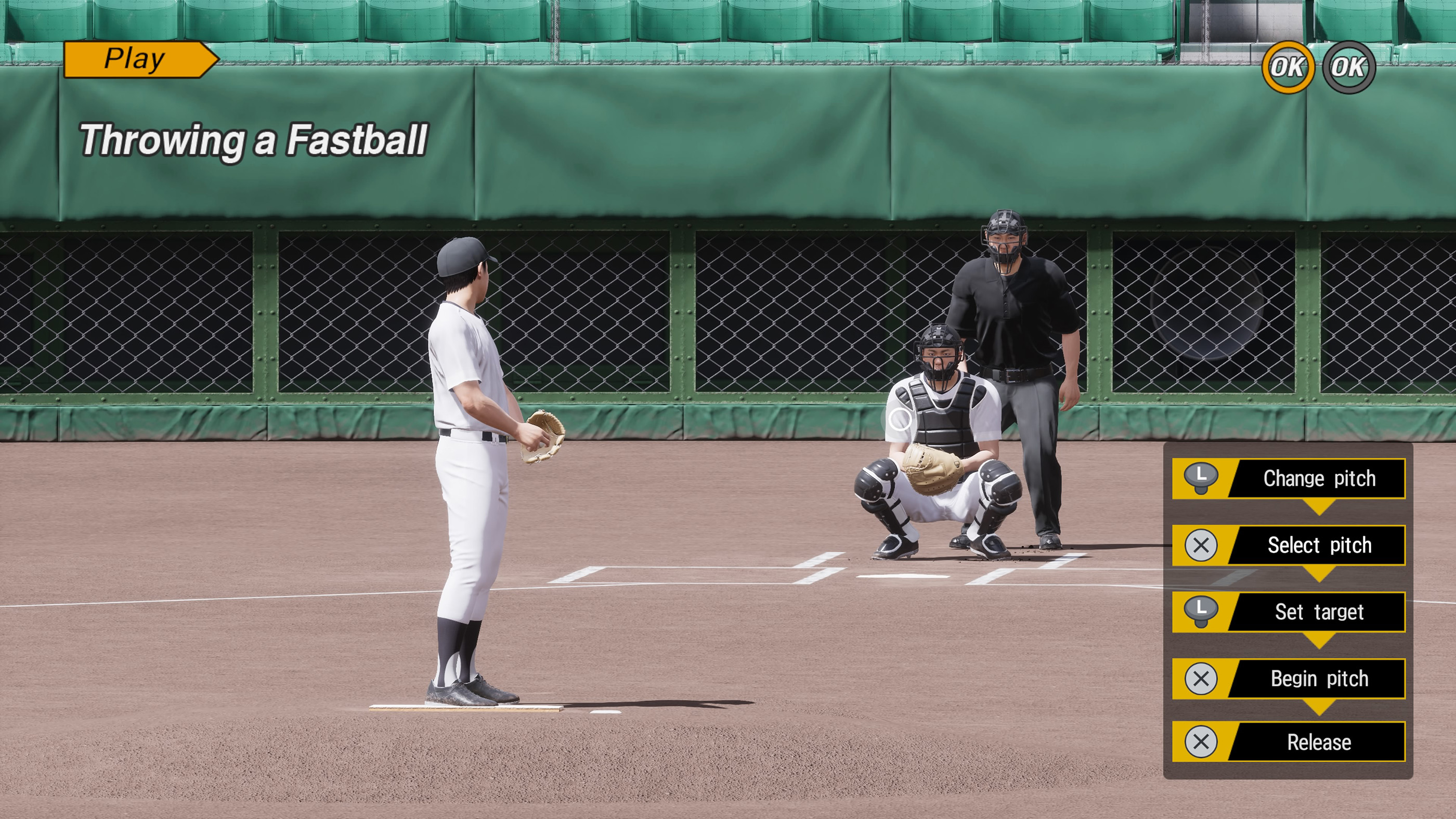
Use Double Tap Pitching for More Control
Double Tap gives you direct control over release accuracy and rewards practice.
Start with Style A
Style A is easier to understand because you set the target before concentrating on release timing.
Try Style B Later
Once timing feels natural, Style B gives you more freedom to make location adjustments during the pitching process.
Do Not Throw Power Pitches Constantly
Extra velocity is useful, but the stamina cost adds up quickly.
Save Maximum Effort for Leverage
Use Power Pitches when an important hitter is at the plate, when you need a strikeout or when one difficult pitch can end an inning.
Normal Pitches Should Do Most of the Work
Changing location and speed effectively is usually more important than trying to overpower every batter.
Change Speed as Well as Location
A pitcher who only changes corners becomes predictable even if every pitch is accurate.
Use the Fastball to Change the Batter's Timing
Velocity creates pressure because it forces a quicker decision.
Follow Speed with Movement
A slower breaking pitch becomes more effective when the batter has just adjusted to something faster.
Do Not Repeat the Same Sequence
Online opponents will begin recognizing patterns surprisingly quickly.
Remember What You Threw Previously
If you opened three consecutive batters with the same pitch in the same area, expect a competent opponent to begin waiting for it.
Change the Purpose of the Same Pitch
A fastball can attack the zone, climb above it or move to a different edge depending on the count.
Pitch around Dangerous Hitters
Not every batter deserves the same level of aggression.
Know Who Is on Deck
If a powerful hitter is followed by a much weaker batter, there is little reason to give the dangerous player an ideal pitch.
Walks Are Better than Home Runs
Sometimes accepting a baserunner is preferable to challenging a hitter in the middle of the zone.
Use the Cutoff Man from Deep Outfield
Trying to throw directly from the warning track to home is not automatically the smartest defensive play.
Keep Other Runners from Advancing
A strong cutoff throw can prevent the trail runner from taking an extra base even when the lead runner is already safe.
Think about the Next Play
Good defense is not always about throwing at the runner closest to scoring.
Move toward Fly Balls Early
The landing indicator gives you time to establish position.
Get Under the Ball before Fine Tuning
Make the large movement early, then use small corrections once the fielder is close to the landing point.
Do Not Overrun Routine Catches
Constantly holding the stick at full input can send the fielder through the catch area at the worst possible moment.
Know Where You Are Throwing before the Catch
Good fielders decide on the next play while the ball is still travelling toward them.
Check the Runners
Before catching a fly ball, already know whether your next throw should go toward home, third, second or the cutoff.
Do Not Throw without a Reason
Holding the ball can sometimes be safer than creating a throwing error or allowing another runner to advance.
Take the Extra Base Only When It Is There
Baserunning mistakes can erase good hitting.
Watch the Outfielder
A ball reaching the gap does not automatically guarantee another base. Consider the fielder's position, arm strength and how quickly the ball was recovered.
Protect Outs Late in Games
When your team needs baserunners, getting thrown out trying to stretch a routine hit can be far more damaging than stopping safely.
Use Fast Runners Strategically
Speed becomes increasingly valuable late in close games.
Use a Pinch Runner when One Base Matters
A faster runner can improve your chances of scoring from second, advancing on a hit or pressuring the defense.
Do Not Waste Speed in a Low Value Situation
Save specialist substitutions for moments where they can genuinely change the inning.
Build a Lineup with Roles
Putting the highest rated players in random order is not always the best lineup construction.
Put Reliable Baserunners near the Top
You want hitters who can consistently reach base in front of your strongest run producers.
Protect Your Best Hitters
A dangerous batter becomes easier to pitch around if the following hitter offers little threat.
Keep Useful Bench Options
Speed, defense and matchup advantages can be valuable late in games even if those players are not everyday starters.
Learn Your Pitcher's Repertoire
Do not select pitches only by looking at their names.
Understand Which Direction Each Pitch Breaks
A breaking pitch becomes much easier to locate intelligently once you understand how it moves toward the plate.
Know Which Pitch Is the Ace
Most pitchers have something they execute more reliably than the rest of their repertoire.
Watch Pitcher Stamina
Leaving a tired pitcher on the mound can turn a controlled game into a bad inning quickly.
Do Not Wait for Complete Collapse
Begin thinking about the bullpen before command disappears completely.
Power Pitching Accelerates Fatigue
If you have used frequent maximum effort pitches, expect stamina to become an issue sooner.
Use Defensive Positioning When the Situation Calls for It
The expected direction of contact changes according to the hitter and situation.
Protect against the Most Likely Outcome
Late in a close game, preventing one specific type of hit can matter more than maintaining a completely neutral defense.
Return to Normal When the Situation Changes
A useful defensive adjustment for one hitter may create unnecessary gaps against the next.
Online Play Rewards Adaptation
Playing another person is different from learning CPU tendencies.
Study the Opponent's Habits
Some players chase low breaking balls. Others sit on fastballs. Some pitch aggressively inside every time they fall behind in the count.
Change Your Plan during the Game
Do not continue using a strategy simply because it worked in the first inning.
Common Beginner Mistakes
Swinging at Everything
Make the pitcher throw something you can handle instead of helping them create quick outs.
Using Power Swing Constantly
The smaller cursor makes difficult pitches considerably harder to square up.
Throwing Every Pitch at Full Power
Save stamina and use location, speed changes and movement to create outs.
Pitching in the Middle
Work the edges whenever the count and pitcher control allow it.
Repeating the Same Pitch Sequence
Good opponents will recognize predictable patterns.
Forcing Long Throws
Use the cutoff man instead of automatically throwing directly from deep outfield.
Taking Unnecessary Extra Bases
Do not turn a safe hit into an avoidable out.
Leaving a Tired Pitcher In Too Long
Recognize declining command before several runs have already scored.
A Reliable At Bat Routine
- Check the pitcher and available pitch types.
- Watch the release instead of staring at the batting cursor.
- Identify velocity and movement.
- Move the cursor toward the expected location.
- Swing only at a pitch you can reasonably handle.
- Use normal swing as your default.
- Become more protective with two strikes.
- Remember how the pitcher attacked you for the next plate appearance.
A Reliable Pitching Routine
- Check the hitter and current game situation.
- Select a pitch that fits the count.
- Aim toward a difficult part of the zone.
- Use Double Tap timing carefully.
- Change speed and movement between pitches.
- Avoid repeating obvious sequences.
- Use Power Pitches selectively.
- Watch stamina as the game progresses.
- Go to the bullpen before control disappears.
Frequently Asked Questions
What is the easiest batting style for beginners?
Use the standard cursor based approach with normal swings until you become comfortable reading pitch speed and location.
Should I use Power Swing often?
Use it when you are confident about the incoming pitch. Normal swing is generally more forgiving because the batting cursor is larger.
What is the best pitching system for beginners?
Double Tap Style A is a good choice if you want to learn manual timing while keeping pitch placement simple.
When should I use a Power Pitch?
Use it in important counts and against dangerous hitters rather than throughout the entire game because it consumes more stamina.
How do I pitch more accurately?
With Double Tap pitching, concentrate on the timing of the second Cross press and avoid demanding locations that your pitcher struggles to command.
Why am I striking out so much?
You are probably reacting too late, chasing pitches outside the zone or moving the batting cursor before properly reading the release.
How can I improve at online batting?
Work on plate discipline first. Watch what your opponent throws in common counts and make them prove they can consistently throw strikes.
When should I use the cutoff man?
Use the cutoff when a direct outfield throw is unlikely to beat the lead runner or when preventing other runners from advancing is more important.
Make the Opponent Play Your Game
The biggest improvement in PRO SPIRIT comes when you stop reacting to every pitch and start controlling the at bat. Take difficult pitches, remember patterns and punish the ball you actually wanted rather than swinging because the pitcher happened to throw something near the zone.
On the mound, apply the same idea in reverse. Change speeds, change locations and make the hitter uncomfortable. Good timing helps, but good baseball decisions are what turn accurate inputs into wins.
See our eBaseball: PRO SPIRIT Controls Guide for batting, pitching, fielding, throwing and control settings.
Comments
No comments yet. Be the first to share your thoughts!