The first lesson in Way of the Hunter 2 is simple: finding an animal does not mean you are ready to shoot it. A successful hunt begins long before you raise your rifle.
You need to consider the wind, study the terrain, choose the right equipment and approach without disturbing the wildlife around you. Sometimes the best decision is to wait. Other times, it is to leave a promising animal alone and return under better conditions.
This Way of the Hunter 2 tips and tricks guide covers the skills that matter most, including tracking, stealth, shooting accuracy, hunting dog training, herd management, equipment, exploration and trophy hunting.
Start With the Training Grounds
Before heading into the wilderness, spend some time at the Training Grounds.
Practise aiming and firing with your chosen weapon. Try shooting at different distances and pay attention to how your accuracy changes.
Learn the controls for changing stance, selecting equipment and reloading.
The goal is to become comfortable enough with your weapon that you can concentrate on the animal rather than remembering which button to press.
Spend More Time Looking Than Walking
One of the biggest beginner mistakes is travelling too quickly through areas where animals may be present.
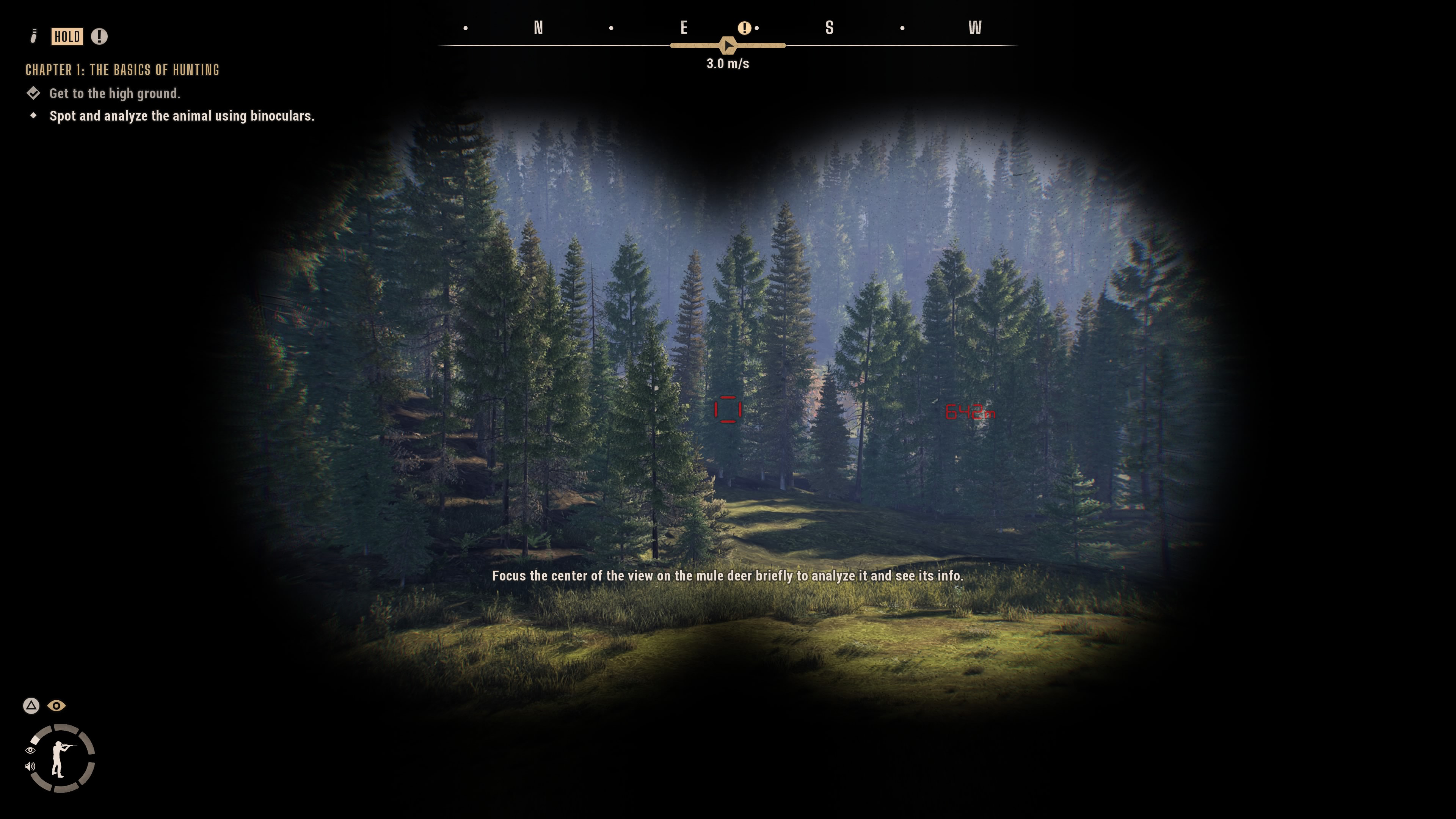
Instead of walking constantly, stop occasionally and scan the surrounding landscape with your binoculars.
Look for movement near forest edges, open grassland and natural feeding areas.
Observing from a distance gives you time to plan an approach without immediately disturbing the animals.
If you spot a herd, study its movement before deciding where to go next.
Always Check the Wind
Wind direction can determine whether an animal notices you before you even see it.
When possible, approach from a direction that carries your scent away from the target.
Avoid walking directly toward a herd when the wind is blowing from your position toward the animals.
If the wind is unfavorable, consider taking a longer route around the area.
A careful approach may take more time, but it can prevent the entire herd from becoming alarmed.
Slow Down Before You Reach the Animals
Sprinting is useful for crossing large distances, but it can ruin an otherwise promising hunt.
As you approach an area where animals are likely to be present, reduce your movement speed.
Use a lower stance when appropriate and avoid unnecessary movement in exposed areas.
If an animal appears alert, stop and observe rather than continuing forward.
Patience is often the difference between reaching a good shooting position and watching your target disappear into the trees.
Use Hills and Vegetation as Cover
The shortest route to an animal is not always the best route.
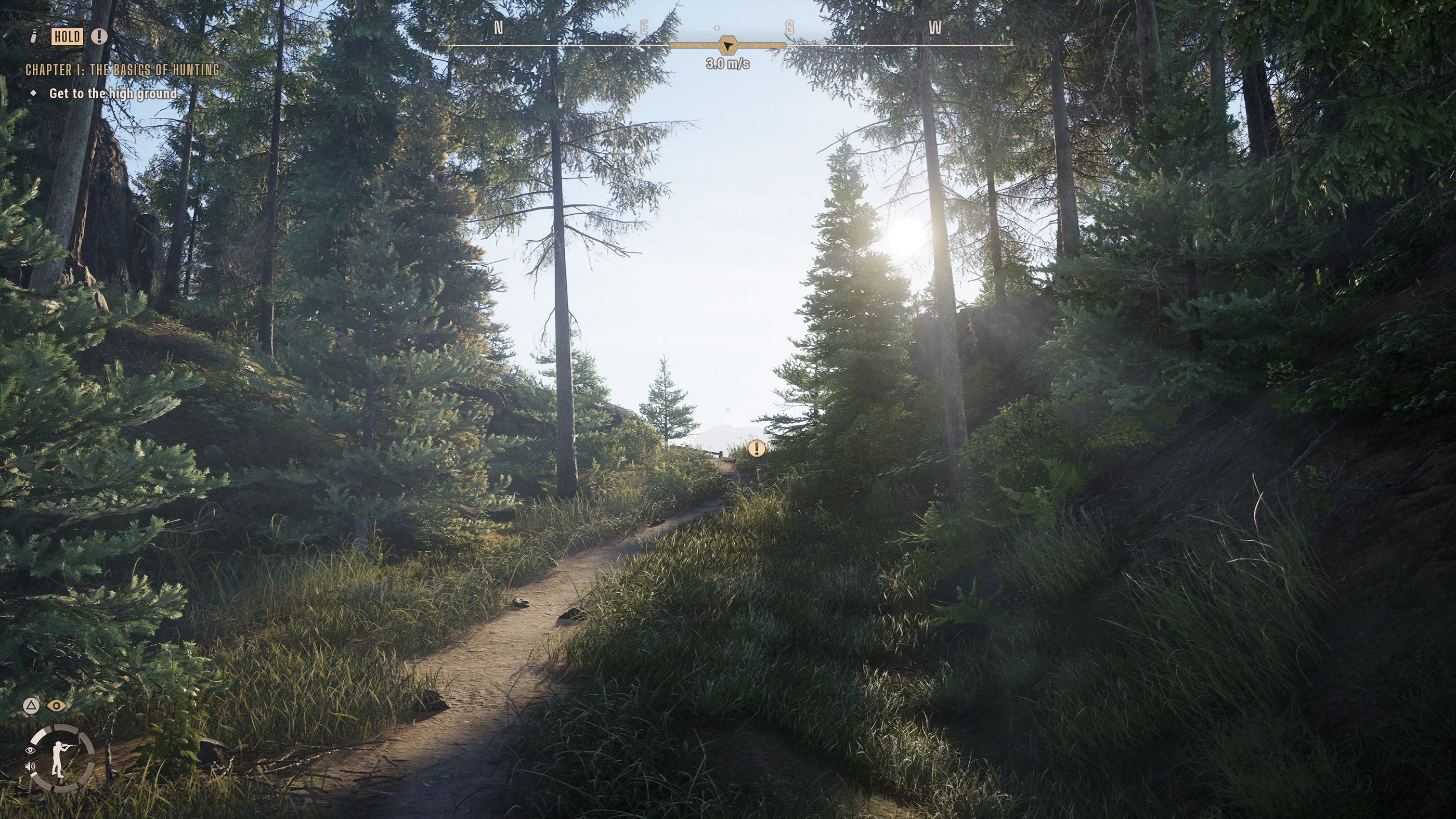
Look for hills, trees and changes in elevation that can help conceal your approach.
Avoid walking over an exposed ridge when animals may be watching the other side.
Instead, approach carefully and use the terrain to reduce how much of your character is visible.
When you reach a suitable observation point, stop and check the area before moving farther.
Learn to Work With Your Hunting Dog
Way of the Hunter 2 introduces a trainable American foxhound that can become one of your most useful companions.
The dog can help locate animal signs and follow blood trails when you are tracking wounded game.
Learn the Sit, Heel and Track commands before relying on the dog during a difficult recovery.
Use the companion regularly so you become familiar with its behavior and available abilities.
Training your dog is an investment that can make future hunts more manageable.
Do Not Rush After a Wounded Animal
After firing, watch how the animal reacts and remember the direction it travels.
If it runs away, avoid immediately charging into the vegetation.
Take note of the location where the shot landed and begin looking for signs of the hit.
When a blood trail is available, follow it carefully and use your hunting dog to assist.
Moving too quickly can make it harder to keep track of the animal's route.
Choose the Right Weapon and Ammunition
Way of the Hunter 2 features a selection of firearms designed for different hunting situations.
Do not assume that the most powerful rifle is automatically the best choice.
Consider the size of the animal, the expected shooting distance and the characteristics of your ammunition.
Different ammunition types can affect penetration and the resulting wound.
Check the equipment information before beginning a hunt, especially when changing between smaller and larger species.
Wait for a Clear Shot
A moving animal or a partially hidden target can make accurate shot placement difficult.
Whenever possible, wait until the animal presents a clear view of its vital area.
A broadside position often makes it easier to judge shot placement than a sharply angled target.
Consider the distance and your firearm's capabilities before firing.
If the opportunity is poor, waiting is usually better than risking a difficult recovery.
Use a Shooting Stick for Better Stability
A shooting stick can help reduce weapon sway when preparing a careful shot.
This is particularly useful when observing animals from a fixed position or preparing to fire at longer distances.
Set up your support before the animal reaches your intended shooting area.
Trying to arrange equipment at the last moment can cause you to miss the opportunity.
Remember that stable aim does not replace good judgment about distance and shot placement.
Learn From the Shot Review System
Way of the Hunter 2 includes an improved Shot Review system that helps you understand what happened after firing.
It provides information about the bullet's trajectory, speed, angle and impact location.
Reviewing your shots can reveal mistakes that are difficult to notice during the encounter itself.
If a shot did not reach the intended organs, consider whether the problem was distance, angle or aiming position.
Using this information consistently is one of the best ways to improve your shooting over time.
Understand Animal Age and Fitness
Way of the Hunter 2 includes herd management mechanics that encourage players to think about the animals they choose to harvest.
Age and fitness are important considerations when evaluating wildlife populations.
Rather than automatically selecting the largest animal you see, spend time observing the herd.
Understanding the characteristics of individual animals can help you make better decisions when managing a population.
Selective harvesting becomes more rewarding when you consider future herd development rather than focusing only on an immediate trophy.
Think About Herd Management Over Time
Your hunting decisions can influence the development of wildlife populations.
If your goal is to improve future trophy potential, consider which animals you harvest and which you leave in the herd.
Avoid making decisions based entirely on appearance when you have access to more useful information.
Returning to familiar hunting areas can help you understand how populations change over time.
This gives your hunts a longer purpose beyond collecting individual trophies.
Use Calls, Blinds and Decoys
Different hunting situations benefit from different equipment.
Calls can help create opportunities with suitable species, while blinds provide a position from which to observe wildlife.
Decoys are useful for certain types of bird hunting.
Choose your equipment based on the animal and environment rather than carrying tools you do not intend to use.
Experiment with these options as you become more familiar with the behavior of different species.
Place Tents in Useful Locations
Portable tents can make repeated hunting trips much more convenient.
They provide camp functions such as fast travel and time management.
Consider placing a tent near an area you expect to visit regularly.
A useful location can reduce unnecessary travel and make it easier to return under different conditions.
Avoid treating tents as temporary equipment with no long term value. Good placement can save time throughout your exploration.
Use Vehicles for Travel, Not Every Approach
The truck is useful for covering long distances across the hunting reserves.
However, driving directly toward an animal is rarely the best approach when you want to remain unnoticed.
Use the vehicle to reach the general area, then continue on foot when appropriate.
Before leaving the road, observe the surrounding terrain and consider the wind direction.
This gives you a better chance of reaching a suitable position without disturbing nearby wildlife.
Explore New Laurentia Carefully
New Laurentia is a North American hunting region featuring forests, river valleys and varied wildlife.
The reserve includes species such as moose, elk, bears and bison.
Take time to learn the terrain rather than trying to cover the entire map immediately.
Observe animal activity, investigate useful locations and become familiar with the hunting opportunities in each area.
The region also includes story activities that provide additional direction as you explore.
Prepare for Different Wildlife in Kilimaya Reserve
Kilimaya Reserve introduces an African environment with different terrain and wildlife.
The region includes dangerous animals such as lions, buffalo, hippos and Nile crocodiles.
Do not approach every species using the same strategy.
Choose suitable equipment, observe animal behavior and avoid unnecessary close encounters.
The reserve also provides opportunities to explore different hunting methods and activities.
Practise Before Hunting With a Bow
Bows and crossbows offer a different challenge from firearms.
Successful archery depends heavily on careful positioning and understanding distance.
Before attempting a difficult hunt, become familiar with the handling of your chosen equipment.
Avoid assuming that the same approach used for a rifle will always work with a bow.
Learning to approach animals quietly is especially valuable when using equipment that requires a more deliberate setup.
Use Advanced Optics When Conditions Require Them
Thermal and night vision equipment can improve observation in conditions where conventional optics are less effective.
However, seeing an animal does not automatically mean you have a safe shooting opportunity.
Always consider the target's position, the distance and the surrounding environment.
Experiment with different optics to understand which equipment is most useful for your preferred hunting conditions.
Follow Missions to Discover New Areas
Way of the Hunter 2 includes story activities connected to its hunting regions.
In New Laurentia, players investigate unusual moose behavior while working with local experts.
Kilimaya Reserve introduces additional characters and activities connected to hunting and wildlife management.
Following these objectives can help you discover new locations while learning more about the reserve.
If you are unsure where to explore next, available missions provide a useful starting point.
Pay Attention to Reserve Maintenance
The game includes activities that go beyond tracking and harvesting animals.
Reserve maintenance tasks involve improving infrastructure and supporting the surrounding environment.
These activities can include work connected to bridges, habitats and other facilities.
Check available objectives when visiting a new area rather than focusing exclusively on hunting.
Exploring these systems adds variety and gives you additional reasons to return to familiar locations.
Spend Skill Points Carefully
Way of the Hunter 2 includes character progression through levels, skill points and perks.
As you unlock new options, consider which improvements support the way you prefer to play.
A player who focuses on tracking and observation may benefit from different improvements than someone concentrating on shooting challenges.
Read the available perk descriptions before spending points.
Choose upgrades that address problems you regularly encounter rather than selecting options without a plan.
Build Your Trophy Collection
The Hearth & Hunt Headquarters provides a place to display trophies collected during your hunting adventures.
The lodge includes expandable rooms and additional display options.
As you progress, you can invest in improvements and organise trophies from different regions.
Consider preserving memorable harvests for display instead of treating every successful hunt only as a source of income.
A growing collection provides a record of your progress and the animals you have encountered.
Way of the Hunter 2 Tips and Tricks FAQ
What should beginners do first?
Visit the Training Grounds, learn the movement and aiming controls, then begin exploring a hunting reserve while following the available introductory activities.
How do you find animals?
Use binoculars, investigate animal signs and observe suitable habitats. Pay attention to wind direction and avoid making unnecessary noise.
How do you track wounded animals?
Remember the direction the animal travelled, investigate signs near the impact location and use your hunting dog's tracking abilities when appropriate.
How do you improve shooting accuracy?
Practise with your firearm, use suitable optics, consider a shooting stick and review your shots to understand how distance and angle affect the result.
What is Shot Review?
Shot Review provides information about a shot's trajectory, speed, angle and impact location, helping you evaluate your shooting performance.
Can you train your hunting dog?
Yes. Your dog develops its abilities through regular use and training.
Does Way of the Hunter 2 have character upgrades?
Yes. The game includes levels, skill points and perks that support character progression.
Can you hunt in Africa?
Yes. Kilimaya Reserve features an African environment with a variety of wildlife, including dangerous large animals.
Can you expand your hunting lodge?
The Hearth & Hunt Headquarters includes lodge expansion and trophy display options.
What is the most useful beginner tip?
Slow down and observe. Check the wind, study the animals and wait for a clear shooting opportunity instead of rushing into every encounter.
Comments
No comments yet. Be the first to share your thoughts!